Key takeaways
- Pick the Shokz OpenRun Pro 2 for a secure sports fit and the longest claimed battery life in this comparison. The OpenRun is a sensible workout alternative if eight hours is enough. Choose Bose Ultra Open Earbuds for a band-free everyday design, or Huawei FreeClip…
Best Open-Ear Headphones for Comfortable Awareness
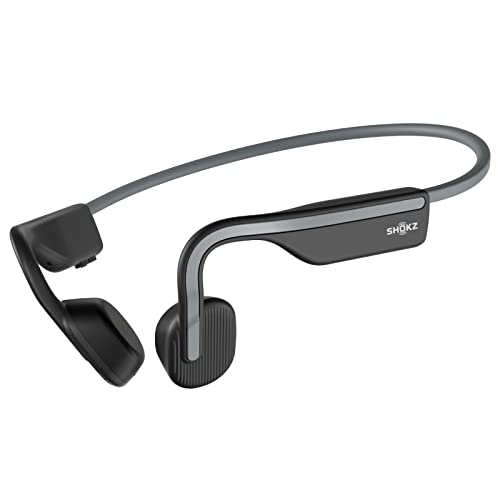
The best open ear headphones for most people are the Shokz OpenRun Pro 2: they balance a light, secure fit, useful microphones, long battery life, and clear awareness of nearby sounds. Choose the Shokz OpenRun for a less expensive workout option, the Bose Ultra Open Earbuds for a more natural-sounding everyday listen, or the Huawei FreeClip if you want a discreet, ear-cuff-style fit and strong call features.
Open-ear designs leave the ear canal unobstructed, but they are not interchangeable. Bone-conduction models send sound through the cheekbones; air-conduction earbuds use small speakers positioned near the ear. Both can help you hear your surroundings, but neither guarantees that you will notice every sound—especially at high volume or in traffic.
Our top picks


As an Amazon Associate we earn from qualifying purchases at no extra cost to you. Ratings are shown as listed on Amazon.
Quick comparison
| Model | Design and weight | Claimed battery | Water resistance | Best fit for |
|---|---|---|---|---|
| Shokz OpenRun Pro 2 | Bone conduction; about 30.3 g | Up to 12 hours | IP55 | Runners wanting a secure band and long runtime |
| Shokz OpenRun | Bone conduction; about 26 g | Up to 8 hours | IP67; not intended for swimming | Frequent exercise on a tighter budget |
| Bose Ultra Open Earbuds | Air conduction, ear-cuff style; about 6.5 g per bud | Up to 7 hours per charge | IPX4 | Everyday listening and a less headband-like fit |
| Huawei FreeClip | Air conduction, C-bridge design; about 5.6 g per bud | Up to 8 hours per charge | IP54 | Lightweight wear and calls in varied settings |
Manufacturers’ battery figures are maximum estimates, not guarantees. Volume, call use, connection strength, and battery age affect actual runtime. Case charging can extend total listening time for the Bose and Huawei models; bone-conduction bands do not use a charging case.
Choose by situation, not just sound
| Your situation | Best starting point | Why—and what to check |
|---|---|---|
| Running or cycling where a stable fit matters | Shokz OpenRun Pro 2 | The wraparound band stays put during movement. Check that it does not press on glasses or the back of your head. |
| Regular workouts and lower cost | Shokz OpenRun | It has a shorter stated runtime but strong water resistance. Pick the Pro 2 if you need more hours between charges. |
| Desk work, errands, and open-fit comfort | Bose Ultra Open Earbuds | The clip-on fit avoids a band behind the head. It can shift with some ear shapes, so fit is personal. |
| Frequent calls and a light ear-cuff design | Huawei FreeClip | The flexible bridge is unobtrusive for many users. Confirm compatibility with your phone’s companion app and features before buying. |
| Swimming or soaking | None of these | Water resistance is not the same as suitability for swimming. Choose a product explicitly designed for swimming instead. |
How the main trade-offs compare
Comfort and fit
A bone-conduction band gives a consistent fit and keeps both ears free, which is helpful during exercise. The trade-off is contact around the temples and behind the head; glasses, hats, or a helmet may create pressure or interfere with placement. Try the band with your usual gear if possible.
Air-conduction designs avoid that band, but rely on the shape of your ears to stay correctly positioned. The Bose and Huawei styles are light, though a light earbud can still become uncomfortable if its contact point does not suit your ear. If you are sensitive to pressure, comfort over a short shop try-on may not predict how it feels after several hours.
Microphones and sound leakage
Microphone performance varies with wind, traffic, and background conversation. The FreeClip and OpenRun Pro 2 are reasonable options to shortlist for calls, but no open-ear microphone can make a noisy street sound quiet. For important calls, ask the other person how your voice comes through in your usual environment, or use a conventional headset in noisy places.
Air-conduction earbuds can sound fuller than bone-conduction models, but their speakers may be audible to someone sitting close by—particularly when the volume is high. Bone-conduction headphones can also leak sound, especially in a quiet room. Neither category is ideal for confidential listening in a shared office or library. Keep volume moderate and test leakage in the setting where you plan to use them.
Environmental awareness
These models leave the ear canal open, so there is no sealed tip blocking outside sound. That helps preserve awareness, but it does not make listening risk-free: music and calls still compete with environmental noise. In traffic, lower the volume, pause audio at crossings, and follow local rules. Avoid relying on headphones to detect approaching vehicles or other hazards.
Bone conduction is not automatically “more aware” than air conduction. Fit, volume, music content, and surroundings matter more than the category label. If hearing nearby speech clearly is your priority, compare the models in a quiet room and outdoors at a sensible volume before committing.
Battery, water resistance, and ownership
For a useful runtime estimate, start with the advertised figure and leave a buffer. If a pair claims 8 hours and you listen for 2 hours a day, the theoretical interval is four days; allowing for calls, higher volume, and battery aging, plan to recharge sooner. The OpenRun Pro 2’s 12-hour claim is the strongest here for long sessions, while the Bose’s 7-hour estimate means more frequent charging for heavy daily use.
IP ratings help compare exposure, not promise immunity from damage. IPX4 indicates splash resistance without a dust rating; IP54 adds limited dust protection; IP55 offers protection against dust ingress and water jets under specified conditions; IP67 includes dust protection and a defined temporary-immersion test. Shokz lists the OpenRun as IP67, but advises against swimming with it. Salt water, soap, sweat buildup, and worn seals can still cause problems.
After exercise, wipe the contact surfaces with a soft, slightly damp cloth and dry them before charging. Avoid charging a wet device, abrasive cleaners, and pushing debris into speaker openings. For clip-style earbuds, check the bridge and contact points for accumulated skin oils; for a band, inspect the cable joints and charging port. These parts and the battery are more likely to limit useful life than replaceable ear tips, since these models do not use conventional in-ear tips.
Bottom line
Pick the Shokz OpenRun Pro 2 for a secure sports fit and the longest claimed battery life in this comparison. The OpenRun is a sensible workout alternative if eight hours is enough. Choose Bose Ultra Open Earbuds for a band-free everyday design, or Huawei FreeClip if a light ear-cuff fit and calls are your priorities. In every case, fit and moderate volume matter: “open ear” describes the design, not a guarantee of comfort, privacy, or complete awareness.