Key takeaways
- Nibs wear gradually. Rough surfaces, heavy pressure, and frequent use accelerate wear. Keep spare compatible nibs, and change drawing pressure in software before pressing harder to get thicker lines.
- Glass is slick by default. A matte protector can add friction, but it is a consumable and may reduce sharpness. Clean the screen with a soft, lint-free cloth; avoid abrasive cleaners and grit that can scratch the surface.
- Large files use storage quickly. High-resolution canvases with many layers can take substantial space. Check storage capacity and your backup plan before starting a long project.
- Comfort depends on the stand. Drawing flat for hours can be tiring. A stable angled stand is often more useful than a keyboard case, particularly on larger tablets.
- Battery life changes with workload. Bright screens, video calls, and demanding apps drain a standalone tablet faster than light sketching. For long sessions, keep a charging option nearby and check whether your pen needs charging or pairs magnetically.
The best tablets for drawing in 2026
The best tablet for drawing depends on where you work: choose the iPad Pro for a large, polished mobile canvas and broad art-app support, the iPad Air for a less costly all-rounder, a Samsung Galaxy Tab S series tablet for a bundled pen and Android flexibility, or a Wacom pen display if you want a desktop-connected drawing surface. For the most natural strokes, compare the whole pen-and-screen experience—not pressure levels alone—including tilt, palm rejection, color, app compatibility, and the cost of the complete setup.
Quick comparison
These representative configurations give you a useful size and weight comparison. Weights are for the tablet alone; accessories such as a stylus, keyboard, case, and display stand add to the load. Regional versions and generations can differ, so confirm the exact model before buying.
Our top picks

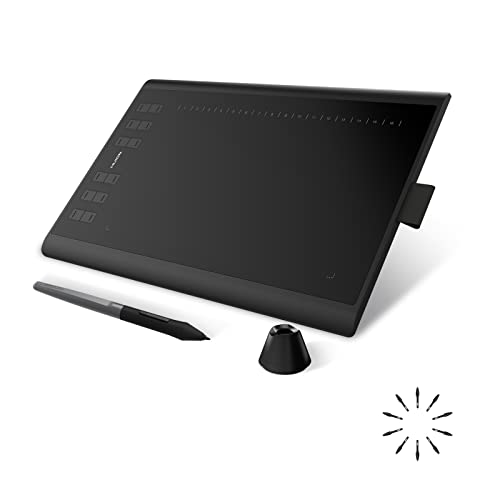
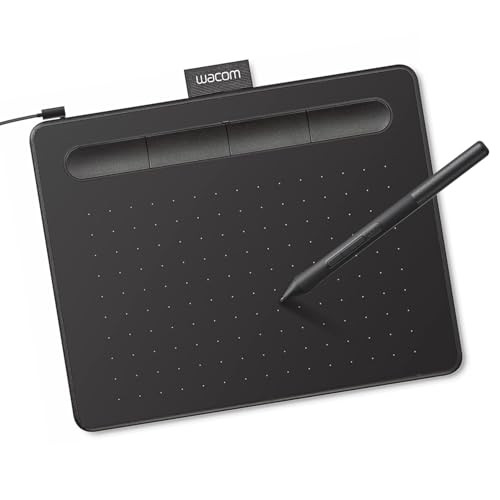
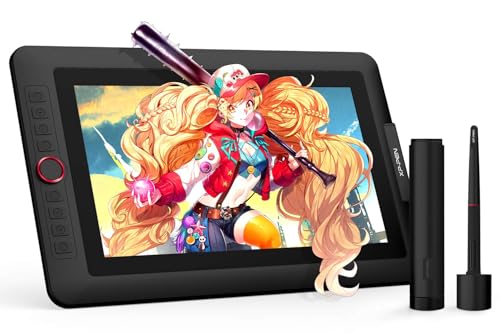
As an Amazon Associate we earn from qualifying purchases at no extra cost to you. Ratings are shown as listed on Amazon.
| Pick | Drawing area | Tablet weight | Pen and pressure | Best fit |
|---|---|---|---|---|
| 13-inch iPad Pro (M4 generation) | 13-inch diagonal display | About 579 g | Apple Pencil Pro; pressure and tilt | Illustration, large canvases, and a premium mobile setup |
| 11-inch iPad Air (M3 generation) | 11-inch diagonal display | About 460 g | Apple Pencil Pro; pressure and tilt | Portable drawing with access to iPad art apps |
| Galaxy Tab S10+ (12.4-inch) | 12.4-inch diagonal display | About 571 g | Included S Pen; pressure and tilt | Android users wanting a pen included with the tablet |
| Wacom One 13 touch | 13.3-inch diagonal display | About 1.2 kg | Wacom-compatible pen; pressure and tilt | Desk-based work connected to a compatible computer |
These are not interchangeable systems: an iPad or Galaxy Tab is a standalone computer, while the Wacom One is a pen display that relies on a connected computer. Pen features also depend on the exact stylus and app; check compatibility rather than assuming every pen works with every tablet.
Choose by the way you draw
| Your situation | A sensible choice | Why—and what to accept |
|---|---|---|
| Learning, occasional sketches, or a tight budget | Entry-level iPad or Galaxy Tab with a compatible pressure-sensitive pen | Lower upfront cost and plenty of learning tools. Check the exact pen model: some entry-level bundles do not include one. |
| Frequent illustration, but you carry your kit | 11-inch iPad Air or a comparable Galaxy Tab S model | A good balance of canvas area and portability. You may zoom and pan more on detailed projects than you would on a larger screen. |
| Large compositions, lettering, or detailed shading | 13-inch iPad Pro or Galaxy Tab S Ultra | More room for the artwork, reference images, and tool panels. The larger device costs more and is less convenient to hold for long sessions. |
| Professional workflow centered on desktop software | Wacom pen display connected to a compatible computer | Use the computer’s established software and file workflow. Budget for the computer, cables, stand, and desk space as well as the display. |
| You need a specific desktop app or plugin | Check that app’s supported operating systems before choosing hardware | Drawing feel cannot compensate for a missing app, unsupported feature, or awkward file handoff. |
What matters more than the headline specs
Pressure and tilt: useful only when the app responds well
Pressure sensitivity lets a supported brush vary line width or opacity with the force of your stroke. Tilt can change the shape of a pencil or shading brush, which is especially useful for broad, angled marks. These features matter for expressive sketching, inking, and painting, but they do not guarantee a better drawing experience: brush settings, pen calibration, and the app’s response curve can matter just as much.
Before buying, confirm that your intended stylus supports both pressure and tilt on that device, and that your chosen app uses them. Try a few strokes in the app’s settings, if possible. If your work is mainly diagrams, notes, or flat-color shapes, paying extra for advanced pen features may bring less benefit than choosing a larger screen.
Screen size and color: match the canvas to your output
An 11-inch tablet is easier to pack and hold, but its usable drawing area shrinks when you keep toolbars, layers, or reference images open. A 13-inch model offers more room for detailed work and fewer interruptions to zooming. For a fixed desk, a pen display can provide a larger working surface, but its total footprint includes the stand and computer accessories.
For color-critical illustration, look beyond a vivid first impression. A high-quality wide-color display can show a broad palette, but brightness, color management, and the screen you use to review the finished image all affect what you see. If artwork is destined for print, calibrate the display when practical and check exported colors on a separate calibrated screen or with a proof. Do not assume every tablet displays color identically.
Apps, palm rejection, and operating system
iPadOS offers a strong selection of drawing apps, including Procreate and Adobe Fresco. Android tablets support apps such as Clip Studio Paint and Krita, though availability and features can vary by platform and subscription. A Wacom pen display uses software installed on its connected computer, making it a better fit when a particular desktop application is central to your workflow.
Palm rejection helps the tablet ignore your resting hand while the pen is active. It works best with a compatible stylus and app; settings, screen protectors, or an unsupported pen can lead to stray marks. Before a long session, test drawing with your hand resting naturally on the glass. A matte screen protector can change friction and reduce reflections, but may soften the image and wear pen nibs faster.
Budget for the complete drawing setup
Tablet prices vary by storage, screen size, generation, and regional promotions, so compare current local offers rather than relying on a single list price. As a broad market guide, entry-level drawing setups can start around $300–$600, midrange standalone tablets often fall around $600–$1,000, and premium large-screen configurations can reach roughly $1,000–$1,800 or more. A pen display may cost less than a premium standalone tablet, but requires a compatible computer if you do not already own one.
Include the stylus in your calculation. Some tablets include a pen; others sell it separately. A case or stand may improve posture, and extra storage can help if you keep large layered files locally. To compare two setups, add the tablet, pen, protection, and any computer you need. A cheaper screen is not a saving if it forces you to replace a computer or buy a separate pen later.
Ownership details artists often overlook
- Nibs wear gradually. Rough surfaces, heavy pressure, and frequent use accelerate wear. Keep spare compatible nibs, and change drawing pressure in software before pressing harder to get thicker lines.
- Glass is slick by default. A matte protector can add friction, but it is a consumable and may reduce sharpness. Clean the screen with a soft, lint-free cloth; avoid abrasive cleaners and grit that can scratch the surface.
- Large files use storage quickly. High-resolution canvases with many layers can take substantial space. Check storage capacity and your backup plan before starting a long project.
- Comfort depends on the stand. Drawing flat for hours can be tiring. A stable angled stand is often more useful than a keyboard case, particularly on larger tablets.
- Battery life changes with workload. Bright screens, video calls, and demanding apps drain a standalone tablet faster than light sketching. For long sessions, keep a charging option nearby and check whether your pen needs charging or pairs magnetically.
Bottom line
For a versatile mobile illustration setup, start with an 11-inch iPad Air or a Galaxy Tab S model and verify the pen and app combination you want. Choose a 13-inch tablet if canvas space is a regular bottleneck. If your work depends on desktop software and you draw at a desk, consider a Wacom pen display—but compare the total cost with that of a standalone tablet. The best tablet for drawing is the one that fits your actual apps, working space, and session length, not simply the one with the longest spec sheet.