The best car wax kit for most drivers in 2026 is a complete set that bundles a quality wax, applicator pads and microfiber towels, such as Meguiar’s Ultimate Liquid Wax or a Chemical Guys or Turtle Wax starter kit. Choose a liquid or paste carnauba for deep gloss, a synthetic polymer or hybrid for months of protection, and a spray wax for quick touch-ups.
Our top picks



As an Amazon Associate we earn from qualifying purchases at no extra cost to you.
Quick Comparison of Car Wax Kit Types and Picks
| Pick | Best for | Type | Typical durability | Effort | Price range |
|---|---|---|---|---|---|
| Meguiar’s Ultimate Liquid Wax | Best overall, easy shine | Synthetic polymer liquid | Up to about 12 weeks (maker claim) | Low | Budget to mid |
| Turtle Wax Hybrid Solutions kit | Best budget set | Hybrid spray or paste | Several weeks | Very low | Budget |
| Chemical Guys wax kit | Best starter set with pads | Liquid or paste with applicators | Several weeks to months | Low to medium | Mid-range |
| Griot’s Garage paste wax kit | Best deep gloss | Paste carnauba blend | Weeks to months | Medium | Mid to upper-mid |
| Ceramic spray wax kit | Best durability for effort | SiO2 hybrid spray | Months (maker claim) | Low | Mid-range |
Durability figures are manufacturer claims; real life depends on washing frequency, climate and parking.
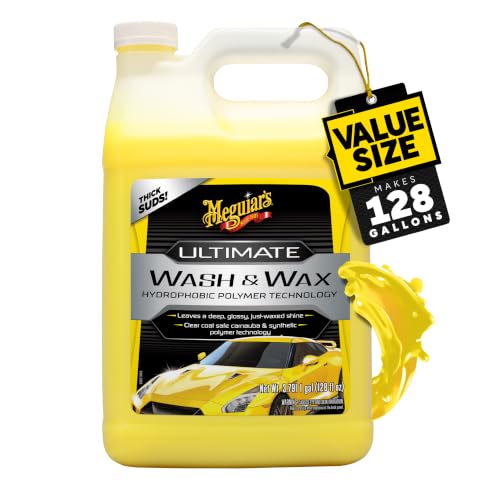
Best Overall: Meguiar’s Ultimate Liquid Wax
This synthetic polymer liquid wax goes on easily and wipes off without heavy residue, which makes it a popular first wax. Synthetic formulas resist heat and detergents better than natural carnauba, so the protection tends to last through more washes.
Who it suits: drivers who want strong results with minimal learning curve. Main trade-off: it gives a clean, slick finish rather than the warm depth some people get from a high-carnauba paste.
Best Budget Kit: Turtle Wax Hybrid Solutions
Turtle Wax sells hybrid waxes designed to be applied and wiped quickly, often bundled with an applicator and microfiber cloth. They are perfect for daily drivers that see weather and do not warrant a full detail.
Main trade-off: protection is shorter than a ceramic-boosted product, so plan to reapply every month or two.
Best Starter Set: Chemical Guys Wax Kit
Chemical Guys bundles waxes with foam applicator pads and microfiber towels. Because everything arrives in one box, you avoid buying the wrong cloth, which is a common cause of swirl marks.
Main trade-off: kit contents vary by listing, so check which bottles and pads are included.
Best Deep Gloss: Griot’s Garage Paste Wax Kit
Paste carnauba blends deliver the wet, deep look favored by enthusiasts on dark paint. They take more effort to apply thinly and buff off, and they usually last less time than synthetic sealants.
Who it suits: weekend detailers and show cars. Main trade-off: more work and shorter durability.
Best Long-Lasting Low-Effort: Ceramic Spray Wax Kit
Spray waxes with silica (SiO2) add water beading and slickness in minutes. Brands such as Meguiar’s, Chemical Guys and Turtle Wax all sell ceramic sprays, and many come as kits with towels.
Main trade-off: they are thinner than a true ceramic coating, so durability is measured in months, not years.
Wax Type Comparison by Situation
| Situation | Best type | Reason |
|---|---|---|
| Daily driver, little time | Spray or hybrid | Ten-minute application |
| Dark paint, show finish | Carnauba paste | Deeper gloss |
| Harsh sun or winter salt | Synthetic sealant or ceramic spray | Higher heat and chemical resistance |
| First-time waxer | Liquid kit | Forgiving to apply |
How to Apply Car Wax Step by Step
- Wash and dry the car out of direct sunlight, because hot paint bakes wax on and makes it streak.
- Remove bonded dirt with a clay bar if the paint feels rough after washing; wax sits better on smooth paint.
- Apply a thin, even coat with a foam pad, working one panel at a time. Thin layers cure faster and buff off easily.
- Let the wax haze for the time on the label, usually 5 to 15 minutes, or until it looks dry.
- Buff with a clean microfiber towel, turning to a fresh side often to avoid marring.
- Skip rubber and textured plastic trim, since wax can leave white residue.
How to Choose a Car Wax Kit
Wax versus sealant versus ceramic
Carnauba waxes look warm but last weeks, synthetic sealants last longer, and ceramic-infused products add hydrophobic beading. Choose based on how often you want to reapply.
Applicators and towels
Look for foam pads and microfiber with at least 300 GSM for buffing. Cheap towels can scratch clear coat.
Paint color
Dark colors show swirls and smears more, so favor easy-buff liquids or high-gloss pastes. White and silver forgive more.
Climate
Hot regions benefit from heat-resistant synthetics; wet or snowy regions need products that repel water and salt.
Size of kit
A standard bottle covers a mid-size sedan about six to eight times, according to typical label guidance.
Common Mistakes
- Waxing a dirty or hot car.
- Applying too much product, which wastes wax and is harder to remove.
- Using a household towel instead of microfiber.
- Skipping a wash between layers.
Cost Per Application: A Worked Calculation
A typical 16 ounce bottle of liquid wax is enough for roughly six to eight applications on a mid-size sedan, based on common label guidance of about 2 to 3 ounces per car. A car waxed six times a year therefore uses about one bottle. A spray wax uses about 1 ounce per car but lasts around a month, so sprays are cheaper per coat but need more frequent use. Paste waxes use the least product, because a thin layer goes a long way.
Towels and Pads: The Hidden Cost
Microfiber towels last about 100 washes if you launder them correctly, without fabric softener and with warm water. Foam pads should be rinsed after each use and replaced when they harden. Using a dirty or dropped towel is the most common way to put swirl marks in a finish.
What Wears First
Wax wears fastest on horizontal surfaces such as the hood, roof and trunk lid because sun and rain hit them most. Reapply those panels more often than the doors. Frequent washing with harsh dish soap strips wax; use a pH-balanced car shampoo and the protection will last longer.
Wax, Polish, and Compound: Know the Difference
Compound and polish are mildly abrasive and remove oxidation and light scratches, while wax adds protection afterward. If the paint looks dull or chalky, polish first. Waxing over damaged paint just seals in the dullness.
Safe Spots for Application
Work in a garage or in the shade, and let the panel cool. Avoid getting wax on black plastic trim or in panel gaps. If residue appears, remove it with a soft detail brush and a little quick detailer.
Frequently Asked Questions
How often should I wax my car?
Every two to three months is a common guide for synthetic waxes, and every month or so for natural carnauba. Water that no longer beads on paint is a good sign it is time.
Is liquid or paste wax better?
Liquid is easier to apply and remove, while paste often gives deeper gloss. Beginners usually do better with liquid.
Can I use car wax on new paint?
Wait for the paint to cure, typically about 30 to 90 days, unless the dealer or body shop says otherwise.
Does wax remove scratches?
No. Standard wax fills tiny imperfections temporarily but does not remove scratches; polish or compound does that.
What is the difference between wax and ceramic coating?
Wax sits on top of paint and wears in weeks, while a ceramic coating forms a harder layer lasting much longer but needing careful prep.
More from Amazon
Programs that pair well with the guide above. Offers and eligibility are set by Amazon and may change.
Free shipping on eligible items, Prime Video and more. Eligible new members can start with a free trial.
Start a Prime free trialAudiobooks and podcasts to listen to on the go. Eligible new members can start with a free trial.
Try Audible freeAd-free music streaming. Eligible new subscribers can start with a free trial.
Try Music Unlimited freeA free business account with business pricing and bulk-buying tools for work, shop or home office.
Create a business accountAs an Amazon Associate we earn from qualifying purchases.