The best hiking backpack depends on trip length: the Osprey Talon 22 is a top daypack, the Osprey Exos 58 suits fast-and-light overnight trips, and the Osprey Atmos AG 65 or Gregory Baltoro 65 handle multi-day loads with comfort. This guide compares seven current packs by capacity, carry system and weight range, and gives the numbers that tell you which size to buy.
Our top picks


As an Amazon Associate we earn from qualifying purchases at no extra cost to you.
Quick Comparison of the Best Hiking Backpacks
| Pick | Best for | Capacity | Suspension | Best load range | Price range |
|---|---|---|---|---|---|
| Osprey Talon 22 | Best daypack | 22 L | Light frame, ventilated back | Up to about 15 lb | Mid-range |
| Osprey Exos 58 | Best lightweight | 58 L | Lightweight tensioned frame | 20 to 30 lb | Upper-mid |
| Osprey Atmos AG 65 | Best overall | 65 L | Anti-Gravity mesh suspension | 30 to 40 lb | Premium |
| Gregory Baltoro 65 | Best for heavy loads | 65 L | Frame with adjustable harness | 35 to 50 lb | Premium |
| Deuter Aircontact Core 50+10 | Best ventilated | 60 L | Aircontact system | 30 to 40 lb | Upper-mid |
| Granite Gear Crown3 60 | Best value ultralight | 60 L | Removable frame | 20 to 35 lb | Mid-range |
| REI Co-op Flash 55 | Best budget | 55 L | Simple frame | 20 to 30 lb | Budget |
Capacities follow each brand’s listings, and some packs are sold in multiple sizes or gendered fits, so check the version that fits your torso length.
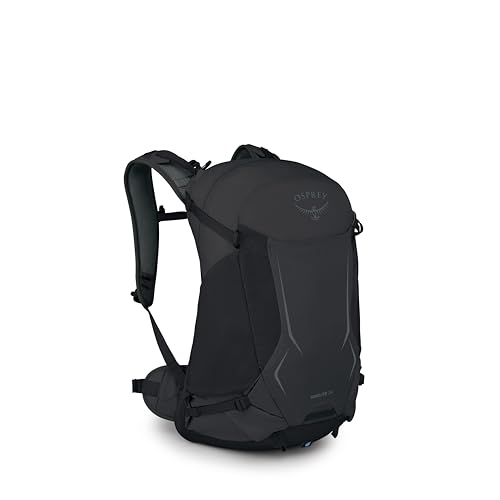
Best Daypack: Osprey Talon 22
The Talon 22 is a lightweight pack with a ventilated back panel, hip belt pockets and a hydration sleeve. It carries enough for a full day hike: water, layers, food and a first aid kit. It is not designed for loads much above 15 pounds, and the ventilated mesh back sits a little away from the body.
Best Lightweight: Osprey Exos 58
The Exos 58 is built for light overnight and weekend trips. Its lightweight tensioned frame and thin fabric keep weight down. It suits hikers who have trimmed their gear list. The thinner materials are less rugged, and it is less comfortable above about 30 pounds.
Best Overall: Osprey Atmos AG 65
The Atmos AG 65 uses an Anti-Gravity suspension with a continuous mesh back panel that wraps around the hips, spreading load and improving ventilation. It carries three to five days of gear comfortably and has a good set of pockets. It is heavier than ultralight packs, and the price is high, but the comfort is a reason it is often named the benchmark.
Best for Heavy Loads: Gregory Baltoro 65
The Baltoro 65 has an adjustable harness and a supportive frame designed for heavier loads, including winter gear or a camera kit. It is a good fit for long trips where comfort under weight matters most. It is among the heavier packs in this group.
Best Ventilated: Deuter Aircontact Core 50+10
Deuter’s Aircontact system uses padded foam with channels that support the load and allow airflow. The 50+10 has an extension collar for extra volume. It is a good pick for hot climates. The shape is a little narrower than some competitors.
Best Value Ultralight: Granite Gear Crown3 60
The Crown3 has a removable frame, a roll-top closure and a simple design. It balances weight with comfort for loads up to the mid 30 pound range. It has fewer organization pockets than some rivals.
Best Budget: REI Co-op Flash 55
The Flash 55 is a straightforward, affordable pack for weekend trips. It has basic suspension and carries moderate loads. It is not as adjustable or durable as premium packs, but it is a good entry for new backpackers.
How to Choose a Hiking Backpack
Match capacity to trip length
A common guide is 10 to 30 liters for day hikes, 30 to 50 liters for 1 to 2 nights, 50 to 70 liters for 3 to 5 nights, and 70 liters or more for longer or winter trips. Smaller is better, as a bigger pack encourages overpacking.
Measure your torso length
Fit depends on torso length, not height. Measure from the C7 vertebra at the base of the neck down to the iliac crest line at the hips. Most brands size packs as small, medium and large based on that measurement.
Keep load weight in check
A typical guideline is to carry no more than 20 percent of your body weight. For a 150 pound hiker, that is about 30 pounds. Lighter loads give lighter packs more room to work well.
Check the hip belt
About 80 percent of the weight should sit on the hips, not the shoulders. A hip belt that can be adjusted or swapped helps fit, and the belt should center on your hip bones.
Consider features you will use
Look for a hydration sleeve, a rain cover, trekking pole attachments and a sleeping bag compartment. Too many extras add weight, so pick those that match your style.
Worked Example: Choosing for a Three-Night Trip
A hiker plans three nights with a base weight of 14 pounds, food at 1.5 pounds per day, and 2 liters of water at roughly 4.4 pounds. That adds up to about 14 plus 4.5 plus 4.4, around 23 pounds. At that weight, a 50 to 60 liter pack like the Exos 58 or Crown3 60 works. A hiker with a 20 pound base weight would be near 29 pounds and may prefer the comfort of the Atmos AG 65.
Frequently Asked Questions
What size backpack do I need for a day hike?
Between 18 and 30 liters is enough for water, layers, food and safety items. Choose toward the larger end for cold weather or long routes.
How do I know if a backpack fits?
The hip belt should sit over your hip bones, the shoulder straps should wrap without gaps and the load lifters should angle at around 45 degrees. Load the pack with weight to check.
Are expensive hiking backpacks worth it?
For multi-day trips, comfort under weight is often worth the extra cost. For occasional day hikes, a mid-priced pack is enough.
How heavy should a hiking backpack be?
Overnight packs range from about 2 to 5 pounds empty. Lighter packs save weight but give up padding and durability, so balance it with your load.
How do I keep my gear dry?
Use a pack liner or dry bags inside, and consider a rain cover. Pack fabrics are water-resistant but not fully waterproof, especially at seams and zippers.
How do I clean a hiking backpack?
Empty it, brush off dirt and hand wash with mild soap in lukewarm water. Air dry away from direct sun, and avoid machine washing, which can damage coatings and foam.
More from Amazon
Programs that pair well with the guide above. Offers and eligibility are set by Amazon and may change.
Free shipping on eligible items, Prime Video and more. Eligible new members can start with a free trial.
Start a Prime free trialAudiobooks and podcasts to listen to on the go. Eligible new members can start with a free trial.
Try Audible freeAd-free music streaming. Eligible new subscribers can start with a free trial.
Try Music Unlimited freeA free business account with business pricing and bulk-buying tools for work, shop or home office.
Create a business accountAs an Amazon Associate we earn from qualifying purchases.