Key takeaways
- Searching for the best i7 is less straightforward than it sounds, because the name covers an enormous spread.
Searching for the best i7 is less straightforward than it sounds, because the name covers an enormous spread. An Intel Core i7 sticker can sit on a boxed desktop processor with twenty cores, on a thin office laptop with a low-power chip, or on an older small-form-factor desktop that happens to carry a seventh-generation part. The label says “upper mid-range”, but the generation number, the letter suffix and the machine around the chip decide whether it is fast, efficient or merely old. The first decision is therefore the form you want: a bare processor for a build, a laptop, or a ready-made desktop.
This guide is for builders who want a socketed upgrade, students and professionals shopping for an i7 notebook, and office buyers who want a cheap desk machine with strong specifications on paper. It compares seven products using only what each listing title states: core counts, clock speeds, memory, storage, screen size and operating system. Nothing is assumed beyond that, so treat the picks as a way to sort the field in 2026 before you read the full product pages and confirm compatibility.
Quick Picks
Our top picks




As an Amazon Associate we earn from qualifying purchases at no extra cost to you.
| Product | Best for | Key spec from the title |
|---|---|---|
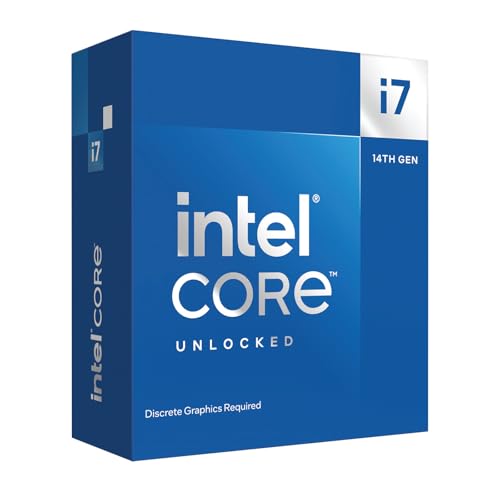
| Intel Core i7-14700KF | Enthusiast builds with a separate graphics card | 20 cores (8 P-cores + 12 E-cores), unlocked |
| Intel Core i7-14700 | Fast desktop builds without overclocking | 20 cores, up to 5.4 GHz |
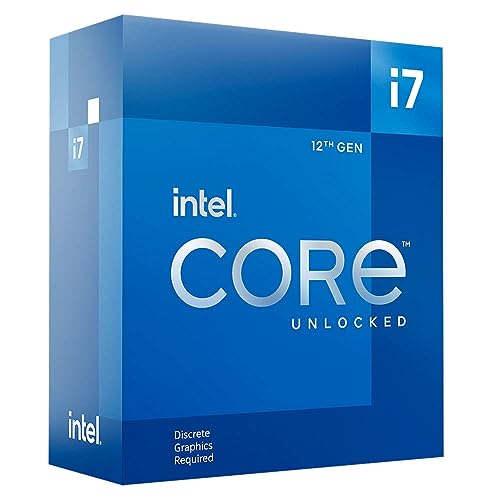
| Intel Core i7-12700K | Builders who want integrated graphics included | 12 cores (8P+4E), up to 5.0 GHz, LGA1700, 125W |
| Dell Optiplex 7050 SFF | A ready-to-use office desktop | i7-7700, 32 GB DDR4, 1 TB SSD, dual monitor support |
| 17.3 Inch Core i7 Laptop | A big-screen laptop for home and study | Core i7 up to 4.5 GHz, 16 GB RAM, 512 GB SSD, Wi-Fi 6 |
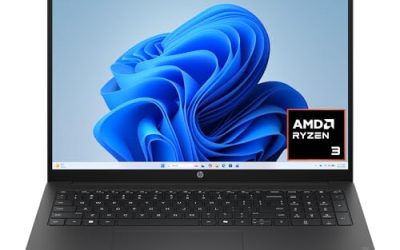
| HP 15.6 Inch Core i7 Laptop | Everyday portable work | Core i7-1255U up to 4.7 GHz, 16 GB RAM, 1 TB PCIe SSD |
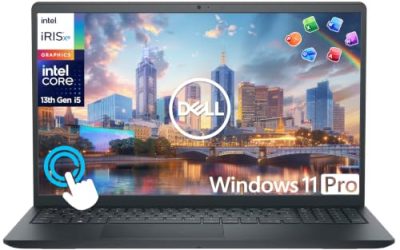
| Dell Latitude 7420 | Business travel with a Windows Pro license | 11th gen Core i7, 16 GB RAM, 512 GB SSD, carbon fiber |
How to Choose
Decide between a chip, a laptop and a desktop
A loose processor only makes sense if you already own, or plan to buy, a compatible motherboard, memory, cooler and power supply. A laptop bundles everything and adds mobility but locks you into its cooling and ports. A desktop gives the best performance per space and money when you can leave it on a desk. Pick the form first, because comparing a bare i7-14700 with a 15.6 inch laptop is like comparing an engine with a car.
Read the generation and suffix
In an i7-14700KF, the 14 means fourteenth generation and 700 is the model tier. The K indicates an unlocked multiplier, while the F means the chip has no integrated graphics, so you need a separate graphics card to get a picture. A chip with no suffix is locked and runs at stock settings, and laptop parts with a U suffix are low-power designs aimed at battery life. An older seventh-generation i7-7700 or eleventh-generation mobile part can still handle office work, but they trail newer hybrid-core designs in efficiency and multitasking.
Cores, clock speed and what matters
Hybrid designs combine performance cores with efficiency cores, which is why a modern i7 can show twenty cores yet still have only eight that handle the heaviest tasks. More cores help with video export, compiling and running many apps together; clock speed matters most for games and single-threaded programs. Do not chase peak gigahertz alone: sustained speed depends on cooling, and the 125W rating on desktop K chips implies a real cooler is part of the budget.
Memory, storage and where budget machines cut corners
For a ready-made system, look for 16 GB of RAM as a minimum and an NVMe or PCIe SSD of 512 GB or more. Desktop builders should confirm the motherboard socket, since both twelfth and fourteenth generation chips use LGA1700 but older boards may need a firmware update. Refurbished or renewed machines are cheaper, yet batteries, hinges and warranties are where shortcuts hide, so verify the condition and return terms. Ignore vague words like “gaming” or “high performance” unless a spec backs them up.
The 7 Best Options
Intel Core i7-14700KF
The title describes a fourteenth-generation gaming desktop processor with 20 cores, split into 8 performance and 12 efficiency cores, and an unlocked multiplier. The F suffix means no integrated graphics, so it is aimed at builders who already plan to buy a graphics card. The gaming-processor wording in the title signals that it is meant for enthusiast desktops rather than quiet office machines.
- Strength: 20 cores give plenty of headroom for streaming while gaming, or for editing and encoding video.
- Strength: the unlocked design suits tinkerers who want to tune performance.
- Trade-off: with no integrated graphics, the system will not display anything until a graphics card is installed.
Skip it if you want a simple build with video output from the motherboard or if you will not overclock. Anyone who wants the lowest-effort build should look at a model that includes graphics, since this one adds a separate component to the shopping list.
Intel Core i7-14700
This listing covers a fourteenth-generation desktop processor with 20 cores, again 8 performance and 12 efficiency, running up to 5.4 GHz. It carries no K in the name, so it is the locked, stock-speed version of the same family. That makes it a straightforward choice for a workstation or a general-purpose desktop where nobody plans to tune settings.
- Strength: it offers the same 20-core layout as the KF model, with a clear 5.4 GHz top speed.
- Strength: a locked chip usually pairs with simpler, cooler-running builds.
- Trade-off: no unlocked multiplier means you cannot raise clocks beyond what the processor allows.
Skip it if you want to overclock or if you need a chip tied to an older platform. The title also does not mention integrated graphics, so check that detail on the product page before building around it.
Intel Core i7-12700K
The listing calls this a gaming desktop processor with integrated graphics and 12 cores, 8 performance plus 4 efficiency, reaching up to 5.0 GHz. It is unlocked, uses the LGA1700 socket with 600 series chipsets and carries a 125W rating. In plain terms, it targets someone who already owns, or can find, a compatible LGA1700 board and wants a capable chip without stepping up to the newest generation.
- Strength: the integrated graphics mean you can boot and use the PC before choosing a graphics card.
- Strength: the twelfth-generation platform can pair with a wide range of existing LGA1700 boards.
- Trade-off: it has fewer cores than the fourteenth-generation chips above.
Skip it if you want the highest core count or the newest generation for a long-term build. Its 125W rating also means you should plan for a proper cooler and a board with solid power delivery.
Dell Optiplex 7050 SFF Desktop
This small-form-factor desktop uses an Intel i7-7700 with four cores at 3.60 GHz, 32 GB of DDR4 memory, a 1 TB SSD, Wi-Fi, Bluetooth, HDMI, dual monitor support and Windows 11 Pro. The title also describes the unit as being in excellent condition, which points to a used or refurbished machine. For a front-desk computer, a spreadsheet workstation or a home server, that combination of memory and storage is more useful than the processor name suggests.
- Strength: 32 GB of RAM and a 1 TB SSD are generous for an office desktop.
- Strength: the compact case and dual monitor support suit a tidy workstation.
- Trade-off: a seventh-generation four-core chip is dated compared with current hybrid designs.
Skip it if you want current-generation performance or a brand-new unit with a fresh warranty. Because condition is part of the title, confirm what the seller covers and how returns work.
17.3 Inch Core i7 Laptop
This unbranded large-screen laptop lists a Core i7 processor up to 4.5 GHz, 16 GB of RAM, a 512 GB SSD with expandable storage, Wi-Fi 6, Windows 11 Home, a backlit keyboard and a numeric keypad. It reads as a desk-bound entertainment and study laptop rather than a commuter model, because a 17.3 inch body is large to carry daily.
- Strength: the 17.3 inch display gives room for multiple windows and spreadsheets.
- Strength: expandable storage and a numeric keypad suit data-heavy home work.
- Trade-off: the title names no brand or exact processor model, so the actual i7 generation is unclear.
Skip it if portability matters or if you want a clearly identified processor and manufacturer support. Buyers who need to know the exact generation should look for a listing that spells out the model number.
HP 15.6 Inch Core i7 Laptop
The listing describes a 15.6 inch full HD laptop with an Intel Core i7-1255U up to 4.7 GHz, 16 GB of RAM, a 1 TB PCIe SSD, a webcam and a claim of long battery life. It is the most conventional laptop in the group: a recognizable brand, a named processor and enough memory and storage to avoid early upgrades.
- Strength: the named i7-1255U and 1 TB PCIe SSD make the configuration easy to evaluate.
- Strength: 16 GB of RAM supports everyday multitasking.
- Trade-off: the U-series chip is a low-power design, so sustained heavy loads will not match desktop i7 parts.
Skip it if you want heavy video editing, gaming or any workload that needs sustained high power. The battery claim has no hours attached, so treat it as a general statement rather than a promise.
Dell Latitude 7420
This business notebook pairs an eleventh-generation Core i7 with 16 GB of RAM, a 512 GB SSD, Wi-Fi, Bluetooth, a full HD screen, Windows 11 Pro and a carbon fiber finish. The title text is cut off after the finish, so confirm whether the unit is new or renewed. The Latitude line is aimed at business travelers, and the carbon fiber finish in the title adds to that professional positioning.
- Strength: Windows 11 Pro suits workplaces that need business-oriented features.
- Strength: 16 GB of RAM and a 512 GB SSD cover typical office workloads.
- Trade-off: an eleventh-generation chip is older than the other laptops here.
Skip it if you want the latest processor generation or a large display for creative work. Buyers who need the newest ports and wireless standards should also check the full specification list before ordering.
Which One Fits Your Situation
You are building a gaming PC with a graphics card
Go with the Intel Core i7-14700KF, which offers 20 cores and an unlocked multiplier. If you do not plan to overclock, the i7-14700 delivers the same core layout in a locked form.
You want to reuse an LGA1700 board
The Intel Core i7-12700K fits a twelfth-generation platform and includes integrated graphics, so the system works before you add a graphics card.
You need a quiet office desktop with lots of storage
The Dell Optiplex 7050 SFF has 32 GB of RAM and a 1 TB SSD in a compact case, making it a practical desk machine for documents and dual-monitor work.
You want a portable i7 for study or travel
The HP 15.6 inch laptop with the i7-1255U and 1 TB SSD is the clearest pick. For a bigger screen, the 17.3 inch model trades portability for display size, while the Dell Latitude 7420 appeals to business users who want Windows Pro.
Common Mistakes
- Buying an F-suffix processor without a graphics card and finding the PC has no display output.
- Assuming every i7 performs alike, ignoring generation and the difference between desktop chips and low-power laptop chips.
- Forgetting that a bare processor needs a compatible motherboard, cooler and power supply.
- Choosing an older refurbished desktop without checking the condition, warranty and return terms.
- Relying on headline gigahertz while ignoring cooling, which limits real sustained speed.
Specs and Terms Explained
K, KF, F and no suffix
On Intel desktop chips the trailing letters carry real consequences. A K means the multiplier is unlocked for overclocking. An F means the processor ships with its integrated graphics switched off, so it needs a separate graphics card from the first boot. A part with no suffix keeps the integrated graphics, which is handy for troubleshooting or for a machine that never gets a graphics card. If a build will have a dedicated GPU anyway, the F version is a sensible way to skip a feature you will not use.
Performance cores and efficiency cores
Recent i7 chips mix two core types. Performance cores handle heavy single-thread work such as games and exports, while efficiency cores take background tasks and add throughput for multi-threaded jobs. A headline core count therefore hides the split: a part with twenty cores is not twenty fast cores. For gaming, the performance-core count and boost clock matter most; for rendering and compiling, the total thread count matters more.
Base clock, boost clock and sustained power
The base figure is a floor, and the boost figure is a short-burst ceiling. How long a chip holds its boost depends on cooling and on the power limit the motherboard applies. A modest tower cooler can leave a high-end K part throttling under long loads, which is also why laptop and small-form-factor i7 models with low power limits can feel slower than their spec sheet suggests.
Sizing and Compatibility Checklist
- Confirm the socket. The desktop chips here use LGA1700, so the board must be an LGA1700 model.
- Check the board’s BIOS support list. Older boards may need an update before a newer generation will start.
- Match memory to the board. Some LGA1700 boards take DDR4 and others DDR5; the two are not interchangeable and the slot notch differs.
- Budget for a cooler. Unlocked parts are usually sold without one, and the K model benefits from a larger tower or a liquid cooler.
- Size the power supply for the graphics card first, then add headroom for a processor that can draw much more than its base rating when boosting.
- For the small-form-factor desktop, verify that any graphics card is low-profile and that the supplied power unit can feed it at all.
Who Should Skip These
Anyone who only browses, writes documents and streams video does not need an i7 at all; a lower tier chip with a good SSD feels the same day to day. Buyers who want a quiet, tiny machine should be wary of the unlocked desktop parts, since they reward cooling that a compact case cannot offer. And if you plan to upgrade the platform within a year or two, remember that the LGA1700 socket is at the end of its line, so a chip bought now is a final upgrade for that board rather than a stepping stone.
Related guides
- Sony Wh-1000Xm5 Vs Bose Quietcomfort Ultra Headphones
- Bose Quietcomfort Ultra Vs Bose 700 Headphones
- Carbon Fiber Folding Electric Wheelchairs
Frequently Asked Questions
What does the KF suffix mean on an Intel processor?
K means the multiplier is unlocked for overclocking, and F means there is no integrated graphics. A KF chip needs a separate graphics card to output video.
Is an old i7 still good enough?
For web browsing, documents and video calls, an older i7 such as a seventh-generation part can still work. For modern multitasking, content creation and efficiency, newer hybrid-core generations are noticeably stronger.
Why does a laptop i7 feel slower than a desktop i7?
Laptop chips, especially U-series parts, run at much lower power to save battery and heat. Desktop chips can draw far more power and hold higher speeds for longer.
Does a buyer need a cooler with these desktop processors?
Check each product page. Some boxed desktop chips include a cooler and others do not, and unlocked 125W-class parts generally benefit from a good aftermarket cooler.
More from Amazon
Programs that pair well with the guide above. Offers and eligibility are set by Amazon and may change.
Free shipping on eligible items, Prime Video and more. Eligible new members can start with a free trial.
Start a Prime free trialAudiobooks and podcasts to listen to on the go. Eligible new members can start with a free trial.
Try Audible freeAd-free music streaming. Eligible new subscribers can start with a free trial.
Try Music Unlimited freeA free business account with business pricing and bulk-buying tools for work, shop or home office.
Create a business accountAs an Amazon Associate we earn from qualifying purchases.