Key takeaways
- Pro: Compact overall footprint ideal for tight desks and shared work surfaces.
- Pro: Beginner-friendly ready-to-use setup with included LED kit.
- Con: Open-frame design lacks ambient temperature control and fume filtering.
Setting up a 3D printer in a small bedroom, dorm room, or cramped home office presents unique challenges that traditional workshop setups ignore. Physical space is at a premium, fan noise and motor hum can quickly become unbearable during overnight prints, and unmanaged fumes or microparticles pose genuine comfort concerns in poorly ventilated quarters. Finding the right hardware for a tight space means prioritizing compact external dimensions, enclosed or low-odor designs, and whisper-quiet operation without sacrificing overall print quality or long-term reliability.
By analyzing manufacturer specifications, architectural footprints, and extensive owner feedback from makers operating in constrained living spaces, we evaluated how today’s top machinery and accessories perform in close quarters. The difference between a great small-room setup and a bad one comes down to smart physical layout, reliable auto-leveling, integrated filtration options, and effective cable management. Below, we break down the top hardware solutions for keeping noise, odors, and desktop clutter under control in 2026.
Our top picks




As an Amazon Associate we earn from qualifying purchases at no extra cost to you. Ratings are shown as listed on Amazon.
Quick Picks
| Product | Best For | Price |
|---|---|---|
| Bambu Lab A1 Mini Kit | Compact Desk Printing | $249 |
| Creality K2 Combo (A) | High-Speed Multicolor | $521 |
| Creality Ender 3 V3 SE | Budget Precision | $219 |
| ANYCUBIC Mini Purifier (2-Pack) | Odor Control | $21.99 |
| Creality HALOT R6 | Entry Resin Printing | $135 |
| VEVOR Printer Enclosure | Fume & Temperature Shield | $37.3 |
| Anycubic Kobra X | Mid-Range Multicolor | $319.99 |
| Dual-Zoned 3D Printer Table | Small Space Storage | $104.99 |
How We Picked
To determine the top equipment for tight living environments, we focused on four decisive criteria derived from published spec sheets and real-world owner feedback. First, we evaluated physical footprint versus usable build volume to ensure minimal desk hogging. Second, we examined acoustic performance and odor management options, prioritizing machines with quiet drivers, direct-drive extruders, or compatibility with sealed enclosures and carbon filters. Third, we assessed setup simplicity and automated bed-leveling features, as small rooms rarely have space for dedicated maintenance workbenches. Finally, we balanced these factors against price to highlight products that deliver maximum utility per square inch of desktop space.
The 8 Best 3D Printer For Running In A Small Room in 2026
Bambu Lab A1 Mini Kit
For beginners and hobbyists seeking a plug-and-play experience on a narrow desk, this compact bed-slinger is a top contender. Its small physical footprint fits easily alongside a monitor or laptop setup without crowding your workspace. Users frequently praise its smooth out-of-the-box operation and integrated lighting kit, which makes monitoring prints easy in dim rooms.
- Pro: Compact overall footprint ideal for tight desks and shared work surfaces.
- Pro: Beginner-friendly ready-to-use setup with included LED kit.
- Con: Open-frame design lacks ambient temperature control and fume filtering.
Skip this model if you need to print large industrial parts or demand a sealed system for technical materials.
Creality K2 Combo (A)
Aimed at experienced makers in small spaces who want rapid, multi-material capabilities without taking over an entire room. Featuring a 260*260*260mm build volume and a high 600mm/s printing speed, it delivers full-sized production power inside a neatly enclosed chassis. Owner feedback highlights the benefits of the 95% pre-assembled frame, smart AI camera, and auto leveling for remote monitoring when you cannot sit directly next to the machine.
- Pro: Rapid 600mm/s printing speed with an enclosed multicolor CFS system.
- Pro: Next-gen direct drive extruder paired with smart AI camera monitoring.
- Con: Higher price point than standard open-air desktop units.
Skip it if you have a strict tight budget or only plan to print simple single-color models.
Creality Ender 3 V3 SE
Ideal for cost-conscious users needing a reliable workhorse for a modest bedroom workstation. With an 8.66×8.66×9.84 inch print size and a 250mm/s faster print speed, it brings impressive speed to the entry-level bracket. Its CR Touch auto leveling, dual Z-axis, and Sprite direct drive extruder significantly reduce manual adjustments, which is vital when space for maintenance tools is limited.
- Pro: Great price-to-performance ratio featuring automated CR Touch leveling.
- Pro: Dual Z-axis and direct drive extruder improve print stability.
- Con: Open frame offers no built-in air filtration for sensitive living areas.
Skip if you plan to print ABS filaments that demand a sealed, temperature-controlled environment.
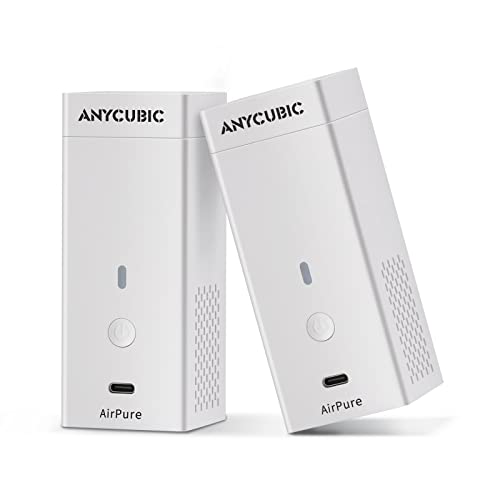
ANYCUBIC Mini Purifier (2-Pack)
Designed specifically for users running resin or open-frame LCD/DLP printers in small, poorly ventilated rooms. These lightweight, ultra-quiet modules fit inside printer covers to combat chemical odors right at the source. High-density activated carbon filters trap volatile organic compounds before they can spread across your living area. Buyer feedback consistently highlights their low noise impact and simple operation.
- Pro: Ultra-quiet operation won’t disrupt quiet study or sleep environments.
- Pro: High-density activated carbon filter effectively targets localized odors.
- Con: Requires periodic filter replacements to maintain peak effectiveness.
Skip if you only print clean PLA filament on an enclosed machine with built-in filtration.
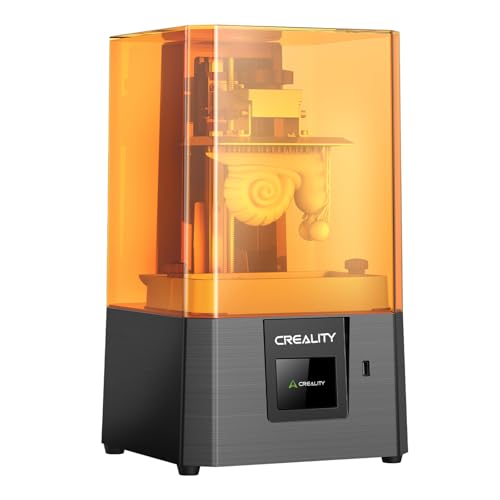
Creality HALOT R6 Resin Printer
Built for hobbyists and miniature painters crafting highly detailed models in cramped quarters. The zero-assembly requirement makes it perfect for kids and beginners who lack space for a dedicated assembly bench. Featuring an upgraded light source and a high-precision monochrome LCD screen, it captures intricate details cleanly. Owner reports emphasize its easy operation and small desktop footprint.
- Pro: High-precision monochrome LCD screen delivers crisp detail on small models.
- Pro: Extremely easy operation with no assembly required out of the box.
- Con: Resin printing requires separate washing and curing stations that take up space.
Skip if you cannot set up localized exhaust ventilation or liquid wash stations in your room.
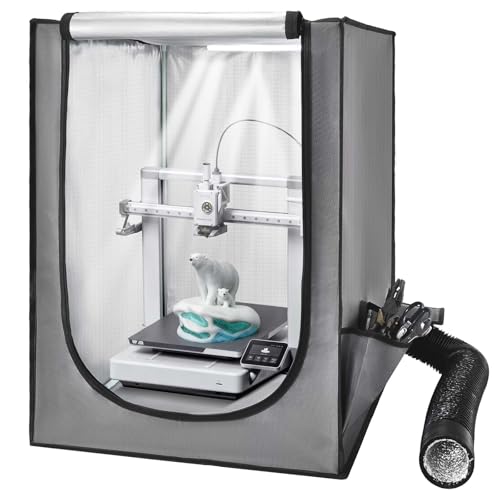
VEVOR Ventilated 3D Printer Enclosure
Tailored for small-room printer owners who need to control fumes, lower noise levels, and maintain ambient temperatures. Constructed from dustproof and waterproof Oxford cloth, this protective tent shields your room from airborne microparticles. It features integrated ventilation ports and internal LED lighting, accommodating various FDM and LCD units like the Photon Mono or Mars 3.
- Pro: Affordable way to add active ventilation, noise reduction, and dust protection.
- Pro: Flame-retardant Oxford cloth construction with built-in LED lighting.
- Con: Expands the overall physical footprint needed on your desk.
Skip if your printer is already fully enclosed with built-in thermal regulation and carbon scrubbing.
Anycubic Kobra X
Great for creative makers who want multi-color output without committing to high-end industrial hardware. Featuring simple one-click printing, it removes complex software barriers for beginners sharing a small apartment space. Owner feedback emphasizes its stable operation and accessible interface, making multi-filament print projects approachable without cluttering the desk with external add-ons.
- Pro: Streamlined one-click printing for effortless multicolor projects.
- Pro: Accessible price point for entry into multi-filament 3D printing.
- Con: Bed-slinger style requires additional clearance in front and behind the unit.
Skip if you have shallow shelf depth or require an enclosed frame for high-temp plastics.
Dual-Zoned 3D Printer Table
Engineered for anyone struggling to organize a complete printing station inside a tight room footprint. This specialized furniture piece features a dual-zoned layout with dedicated filament storage and a top storage panel designed for AMS and multi-material systems. By consolidating your machine, tools, spools, and accessories vertically, it frees up valuable desk space while keeping operational vibrations contained.
- Pro: Vertical storage design frees up desk real estate and organizes spools.
- Pro: Dedicated AMS storage panel keeps multi-material units secure.
- Con: Requires dedicated floor area and manual furniture assembly.
Skip if you already own a heavy, vibration-dampened workbench that fits all your supplies.
Buying Guide
Desk Footprint and Physical Clearance
When fitting a 3D printer into a small room, total physical dimensions extend beyond the static frame size listed on the box. Bed-slinger designs move the build plate forward and backward, requiring extra depth clearance so the bed does not bump into walls or monitors. Additionally, top-mounted filament spools or multi-material feeds add significant vertical overhead requirements. Always measure full operational clearance, including cable sweeps and spool mounting, before selecting a machine for a narrow desk.
Odor, Fume, and Acoustic Management
Operating a printer in a bedroom or home office means sharing living space with motor hum and potential chemical emissions. Enclosed printers or add-on fabric enclosures contain draft-induced print warping while muffling fan noise. For resin machines or filaments like ABS, pairing active carbon purifiers with ventilated enclosure ducts is essential for pulling volatile compounds away from your breathing zone. Choosing machines with silent stepper drivers and direct-drive extruders further ensures quiet operation during long prints.
Automation and Space-Saving Features
Cramped quarters leave little room for storing extensive leveling tools or maintenance gear. Look for automated conveniences like CR Touch bed leveling, self-calibrating strain gauges, and built-in AI monitoring cameras. These smart features drastically lower print failure rates and eliminate the need for manual bed adjustments, keeping your printing workflow clean, efficient, and self-contained without cluttering your room with extra tools.
Our Verdict
For most users operating in a tight space, the Bambu Lab A1 Mini Kit stands out as the best overall choice due to its compact physical frame, easy setup, and high print quality at $249. If you are working with a tight budget, the Creality Ender 3 V3 SE offers unbeatable value at $219 with its 250mm/s speed and reliable CR Touch leveling. However, if your small room serves as a bedroom and you need to print multi-color models while containing noise and fumes, step up to the fully enclosed Creality K2 Combo (A) at $521.
FAQ
Is it safe to run a 3D printer in a small bedroom?
Printing basic PLA filament is generally low-risk, but running open-frame printers or technical materials like ABS can release ultra-fine particles and chemical odors. Utilizing an enclosed printer or an add-on tent equipped with activated carbon purifiers ensures indoor air quality remains clean while you occupy the room.
How can I reduce printer noise on a shared desk?
Placing your printer on a heavy, vibration-dampening surface or dedicated printer table prevents sound resonance from amplifying through your desk. Furthermore, selecting printers with silent stepper motor drivers and direct-drive extruders keeps mechanical noise low enough for studying or sleeping.
What type of printer is best for a room without direct window ventilation?
In rooms without exterior exhaust options, enclosed FDM printers using PLA filaments and carbon air filters are significantly cleaner and less odor-intensive than resin printers. Resin units generate strong chemical fumes and require extra cleaning solvents that demand aggressive air turnover.
Do small carbon purifiers really help control printing odors?
Yes, compact purifiers utilizing high-density activated carbon filters are remarkably effective inside printer enclosures. They continuously recirculate air beneath the hood, trapping volatile organic compounds and chemical smells before they escape into your living space.