Key takeaways
- Choose the Hunter Original Tall or a comparable gusseted tall rubber boot for maximum wet-weather coverage, Bogs Classic High or Muck Arctic Sport for cold gardening, and a waterproof Chelsea-style or short boot for everyday commuting. Prioritize the right height, calf clearance, outsole pattern, and…
The best rain boots depend on where you wear them: choose lightweight uninsulated rubber for commuting, insulated neoprene for cold gardening, and a shorter waterproof boot for easier walking and packing.
For most people, the best all-around starting point is a mid- or tall-height waterproof rubber boot with a gusseted calf, a supportive footbed, and a lugged sole. Tall boots provide the most protection in puddles and wet grass, while ankle boots are more comfortable for driving, stairs, and everyday urban use.
Our top picks
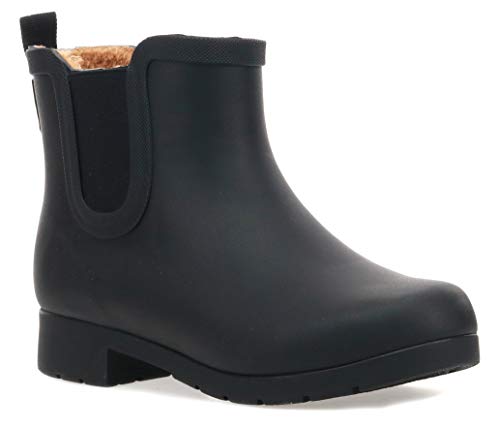

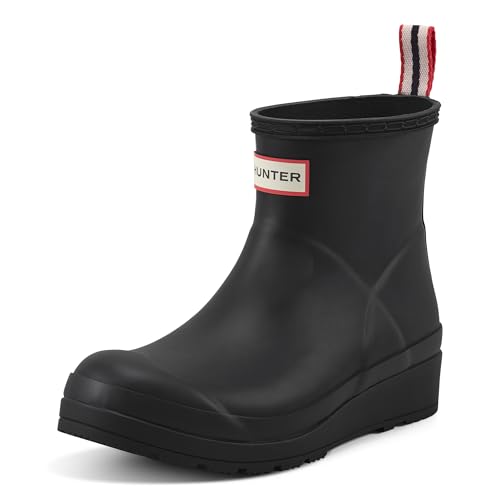

As an Amazon Associate we earn from qualifying purchases at no extra cost to you. Ratings are shown as listed on Amazon.
Best rain boots by situation
| Situation | Best type | Useful target specifications | Strong example | Typical price range |
|---|---|---|---|---|
| Daily commuting | Uninsulated ankle or mid-height rubber boot | Under 1.2 kg per pair; non-marking tread; removable insole | Hunter Original Short or similar | $80–$160 |
| Deep puddles and wet grass | Tall rubber boot with adjustable gusset | At least 35 cm shaft height; gusset opening of 4 cm or more | Hunter Original Tall or similar | $120–$200 |
| Cold gardening and outdoor chores | Insulated neoprene or rubber-neoprene boot | 5–7 mm insulation; fleece lining; lug depth around 5 mm | Bogs Classic High or Muck Arctic Sport | $100–$220 |
| Frequent walking | Flexible waterproof ankle boot | Heel-to-toe flex; cushioned footbed; outsole weight below 700 g per pair | Waterproof Chelsea-style boot | $60–$180 |
| Travel and limited storage | Packable rubber or synthetic overshoe | Foldable shaft; pair under 900 g; compact heel-to-toe shape | Packable rain overshoe | $40–$120 |
Our top picks and what each does best
Best overall for wet-weather utility: Hunter Original Tall
The Hunter Original Tall is a sensible choice for people who want maximum rain protection without moving into heavy-duty cold-weather footwear. Its natural-rubber construction, tall shaft, and adjustable side gusset make it well suited to wet lawns, muddy paths, and heavy rain. The gusset is especially useful because a boot can be completely waterproof below the opening yet still admit water over the calf.
The trade-offs are weight, limited insulation, and a relatively firm feel underfoot. In cold weather, wear a wool or synthetic boot sock rather than cotton, and leave enough room for it. The smooth rubber upper is easy to wipe clean, but the tall shaft takes up more closet space than an ankle boot.
Best for cold gardening: Bogs Classic High
The Bogs Classic High combines waterproof construction with substantial neoprene insulation, making it better for cold soil, early-morning chores, and prolonged standing than an unlined rain boot. Its pull handles are practical when the boot fits snugly around the ankle, and the grippy outsole is more useful on soft ground than a shallow city tread.
Insulation is also the main limitation. A warm boot can feel too hot during summer commuting, and neoprene adds bulk when packing. It is a better cold-weather work boot than a lightweight all-day walking boot. Check the calf opening carefully if you wear thick trousers or have muscular calves.
Best for severe cold: Muck Arctic Sport
The Muck Arctic Sport is designed for wet, cold conditions where ordinary rubber boots become uncomfortable. Its neoprene upper and fleece lining provide considerably more warmth than an uninsulated boot, while the extended rubber coverage helps protect against mud and standing water.
This is the choice for cold-weather chores rather than office commuting. The thick construction is less packable, and the soft upper can feel less stable than a structured leather or rubber boot on uneven pavement. Do not buy it solely for rain if temperatures are usually mild; the extra insulation may create sweaty feet and faster sock wear.
Best for city walking: a waterproof Chelsea-style boot
A waterproof Chelsea-style boot is often the best everyday answer for people who encounter rain but do not need calf-high coverage. The short shaft makes it easier to drive, climb stairs, and take public transport. Look for sealed seams or molded construction, a removable footbed, and a tread pattern that includes independent lugs rather than a completely smooth fashion sole.
These boots are usually more comfortable for extended pavement walking than tall wellingtons, but they have a clear limit: water can enter over the ankle. They are also less suitable for deep grass, muddy gardens, or trousers that need protection above the ankle.
What matters more than the product name
Waterproofing
One-piece molded rubber offers the simplest waterproof design because it minimizes stitched seams. Neoprene can also be highly water resistant, but inspect the transition between the neoprene shaft and rubber foot. On leather or textile boots, a waterproof membrane does not make every seam or tongue automatically watertight.
Height matters as much as material. Measure from the floor to the top edge, then compare that measurement with the puddles and vegetation you actually encounter. A 15 cm ankle boot cannot substitute for a 35–40 cm tall boot in flooded grass.
Sole traction
Deep lugs help on mud, but they are not automatically safer on smooth wet tile. For commuting, prioritize a rubber outsole with many edges and a broad contact area. For gardening, choose lugs around 4–6 mm deep with open channels that shed mud. Avoid overly soft foam soles if you regularly walk on gravel; they can compress and lose support sooner.
Insulation
Uninsulated rubber is usually the most versatile option from spring through fall. Around 3–4 mm of lining or neoprene adds moderate warmth; 5–7 mm insulation is more appropriate for cold outdoor work. Remember that insulation does not generate heat. If the boot is loose enough for cold air to circulate or tight enough to compress your socks, it may feel colder than a thinner, better-fitting boot.
Calf fit
Measure the widest part of your calf while wearing the trousers or leggings you expect to use. Add roughly 1–2 cm of clearance for movement. A boot with a gusset is preferable when your calf measurement is close to the opening limit. If the top edge presses into your leg, walking becomes irritating and trousers may bunch inside the boot.
Do not compensate for a narrow ankle by sizing up several sizes. Excess heel movement causes blisters and makes a heavy boot feel even heavier. Instead, look for an adjustable gusset, heel-locking shape, or a thinner insole that preserves length while improving volume.
A practical decision matrix
| Your priority | Choose | Avoid |
|---|---|---|
| Lowest upfront cost | Basic molded rubber ankle boot, generally $40–$90 | Specialized insulated boots used only a few times a year |
| Frequent muddy work | Tall boot with 4–6 mm lugs and washable lining | Smooth soles and fabric uppers with exposed seams |
| Small closet or suitcase | Short packable boot or overshoe under 900 g per pair | Thick neoprene and rigid tall shafts |
| All-day pavement walking | Light ankle boot with cushioned, removable footbed | Heavy tall boots with flat, unsupportive insoles |
| Cold-weather chores | 5–7 mm insulated neoprene with warm socks | Thin unlined rubber and cotton socks |
How to check fit before keeping them
-
Try the boots late in the day, when feet are typically at their largest.
-
Wear the socks you will actually use. For insulated boots, use the intended winter sock during fitting.
-
Keep your heel down and slide your foot forward. You should be able to place approximately one finger behind the heel without your toes touching the front.
-
Bend your knees and walk up and down stairs. The boot should flex without pinching the instep or forcing the heel to lift excessively.
-
Check the calf while seated and standing. If the opening digs in when you sit, it is too tight for extended wear.
Ownership: what wears out first
The outsole usually determines a rain boot’s practical lifespan. Heel edges round off first, reducing traction even when the upper still looks new. On rubber boots, repeated folding can create creases that eventually split; store tall boots upright or supported rather than bent sharply. Neoprene can tear around pull handles and calf edges if the boot is yanked off without loosening it.
After use, rinse away grit and salt with cool water, remove the insoles, and dry the boots at room temperature. Direct heaters can stiffen or crack rubber and can distort adhesives. Never store damp boots sealed in a plastic bag. A boot dryer on a low-temperature setting is safer than a radiator.
For a simple cost-per-use comparison, a $150 pair worn 75 times costs $2 per use. A $70 pair worn only 10 times costs $7 per use. The more expensive boot is worthwhile when its fit, traction, and durability match frequent use; it is not automatically the better choice for occasional emergency rain.
Bottom line
Choose the Hunter Original Tall or a comparable gusseted tall rubber boot for maximum wet-weather coverage, Bogs Classic High or Muck Arctic Sport for cold gardening, and a waterproof Chelsea-style or short boot for everyday commuting. Prioritize the right height, calf clearance, outsole pattern, and insulation level before brand styling. A rain boot that fits your socks and routine will be more comfortable—and more useful—than a technically waterproof boot chosen only for its appearance.