Our Top Picks
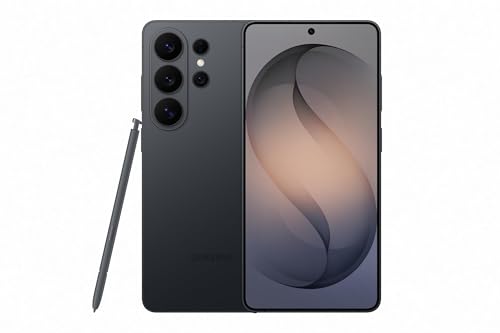
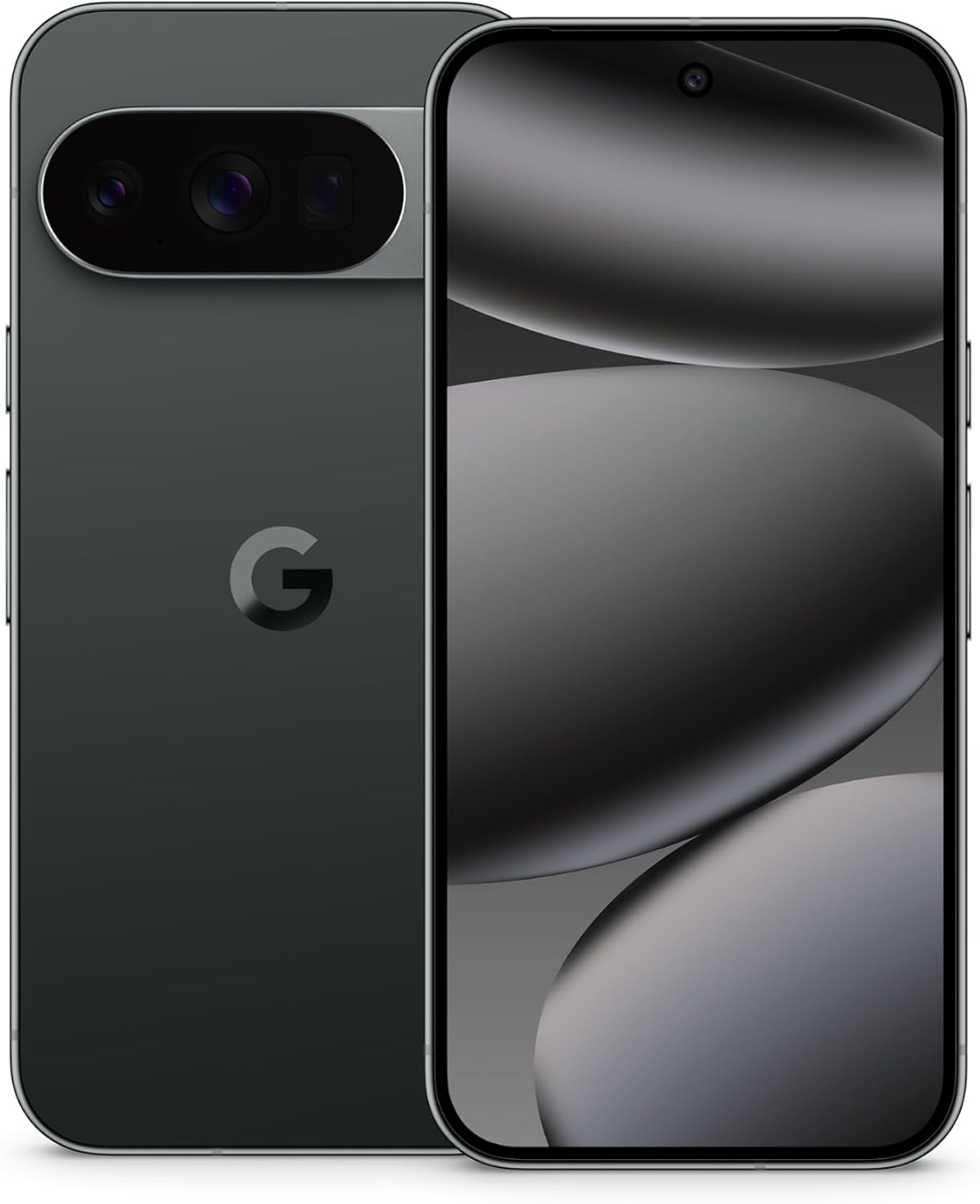
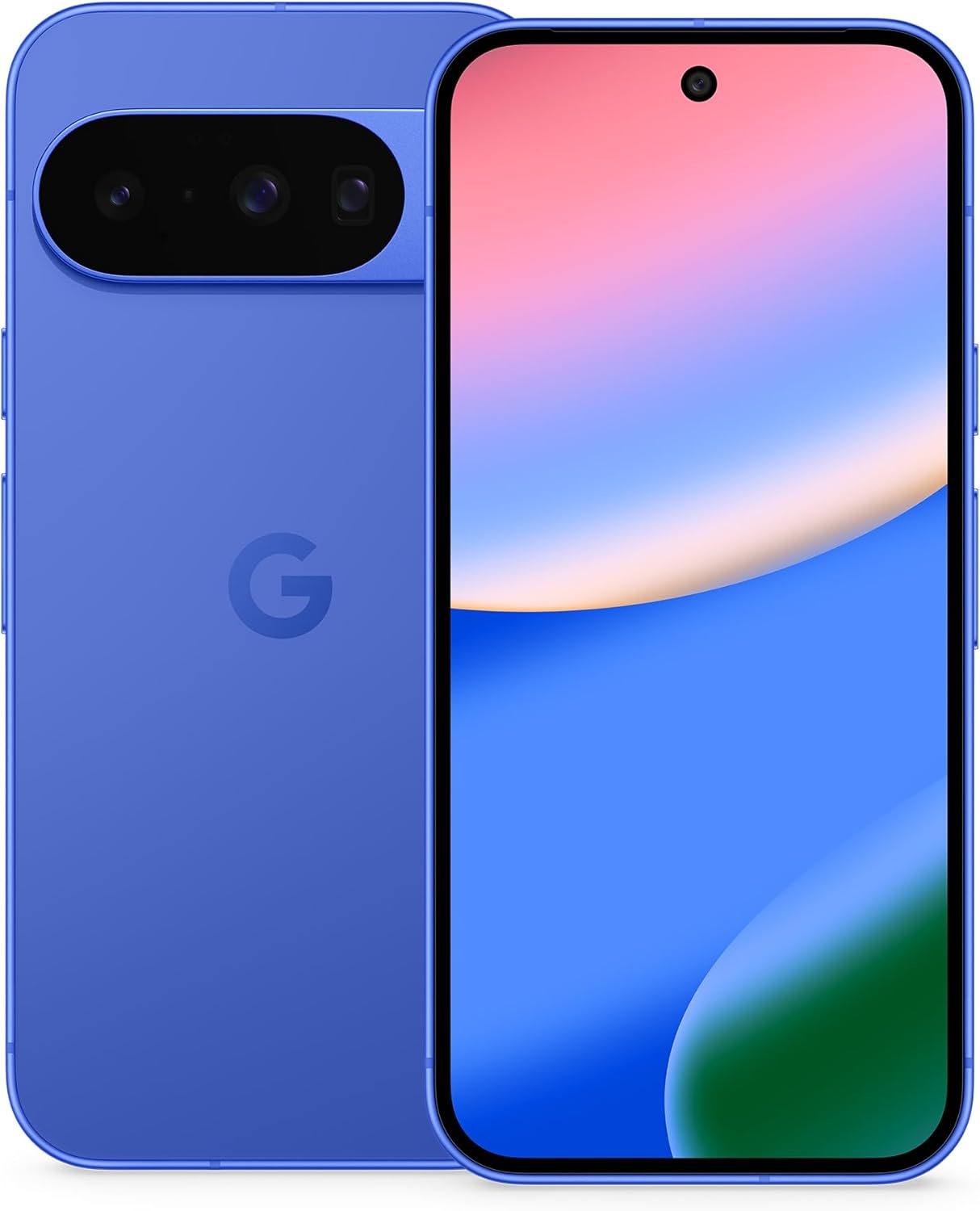


The best smartphones for photography in 2026 are the iPhone 17 Pro Max for natural color and video, the Samsung Galaxy S26 Ultra for zoom range, and the Google Pixel 10 Pro (or Pro XL) for computational photography and low light. Value-minded buyers get most of the experience from the Pixel 10, Galaxy S26 or iPhone 17. Reviewers disagree on a single winner, and the split is mostly about zoom: Apple leads on consistency and video, Samsung on reach, and Google on processing and ease.
A camera phone is a bundle of lenses, sensors and software. Specs such as megapixels tell you little, so this guide sorts nine real phones by what changes pictures in practice: sensor size, telephoto reach, low-light processing, video quality and how well the phone handles tricky scenes. You get thresholds you can check on any spec sheet and a worked example of how digital zoom really works.
How we chose
This is a research-based guide, not a lab comparison. We compared manufacturer specification pages, published camera comparisons from several consumer-technology outlets, and independent camera-ranking databases. Rankings differ between sources, and some roundups compare last year’s models, so we treat scores as directional and list specs only where multiple sources agree. Where a number is not confirmed, we describe the spec class.
Criteria and thresholds used:
- Main sensor size: a larger sensor gathers more light. A main sensor near 1/1.3 inch or larger is the premium class in 2026, and 1-inch is the largest in a phone.
- Telephoto: a dedicated telephoto lens of 3x to 5x optical is the useful range for portraits and distant subjects. Phones without one rely on cropping.
- Zoom ladder: look for continuity, meaning a real lens at each step, rather than a big gap that the phone fills with a crop.
- Low-light processing: night modes stack several frames. Quality depends on software as much as hardware.
- Video: stabilization, 4K at 60 frames per second, and consistent color between lenses matter for people who shoot clips.
- Update length: camera algorithms improve through updates, so five to seven years of support extends the life of the camera.
Quick comparison
| Phone | Main camera | Telephoto | Strength | Tier |
|---|---|---|---|---|
| iPhone 17 Pro Max | 48MP, 1/1.28-inch sensor | 48MP, 4x optical | Natural rendering, video | Premium |
| Samsung Galaxy S26 Ultra | Large main sensor, Hasselblad-style tuning claimed by retailers | Two telephoto cameras | Zoom coverage | Premium |
| Google Pixel 10 Pro | Computational main camera | 48MP, 5x periscope | Low light, AI processing | Premium |
| Google Pixel 10 Pro XL | Same camera class as Pixel 10 Pro | 48MP class, 5x periscope | Larger body and battery | Premium |
| iPhone 17 Pro | Same 48MP class as the Pro Max | 48MP class, 4x optical | Compact pro camera | Premium |
| OPPO Find X9 Ultra | Dual 200MP class cameras reported | Native 10x | Long optical reach | Premium (limited availability) |
| Xiaomi 17 Ultra | 1-inch main sensor reported | Long telephoto | Largest sensor | Premium (limited availability) |
| Google Pixel 10 | Computational main camera | Telephoto lens | Value camera phone | Premium entry |
| Samsung Galaxy S26 | Main camera | Telephoto lens | Compact all-rounder | Premium entry |
Specifications listed as “class” or “reported” come from roundups and listings that did not publish full numbers. Confirm details on the manufacturer page before buying.
The nine picks
1. iPhone 17 Pro Max: best overall camera phone
Spec line: 48MP main, 1/1.28-inch sensor · 48MP telephoto at 4x optical, reaching optical-quality at 8x · large sensor increase over the previous telephoto · ranked first by DxOMark at 168 points (as reported).
Best for: People who shoot video, share photos on social apps, and want consistent color across all lenses.
Skip if: You want the longest reach, since long-range zoom looks softer than the Samsung and Pixel in several comparisons.
- Pros: Natural color, excellent video, a clean 4x optical telephoto, and a strong app ecosystem for creators.
- Cons: Premium price tier, large size, and less reach than competitors at the extreme.
2. Samsung Galaxy S26 Ultra: best for zoom range
Spec line: Two telephoto cameras covering mid and long range · marketed 100x Space Zoom · DxOMark score reported near 157 · Hasselblad-style tuning mentioned by retailers (unverified).
Best for: Travelers, sports and wildlife shooters, and anyone who photographs distant subjects.
Skip if: You prefer a natural look without Samsung’s brighter, more saturated default processing.
- Pros: Real lenses at more focal lengths, so fewer crops, and a very capable stylus-free flagship experience.
- Cons: Large and heavy, and default processing can look punchy.
As an Amazon Associate we earn from qualifying purchases at no extra cost to you.
3. Google Pixel 10 Pro: best for low light and point-and-shoot results
Spec line: 48MP, 1/2.55-inch, 5x periscope telephoto · Super Res Zoom up to 30x · AI-assisted Pro Res Zoom up to 100x · computational night and portrait processing.
Best for: People who want reliable photos without adjusting settings, and who photograph in dim light.
Skip if: You shoot a lot of video, where the iPhone is generally stronger.
- Pros: Strong low-light results, helpful editing tools, and seven years of updates.
- Cons: The AI zoom at extreme ranges can invent detail, and video is a step behind Apple.

4. Google Pixel 10 Pro XL: best Pixel for battery and screen
Spec line: Same camera class as the Pixel 10 Pro · larger body and display · bigger battery class.
Best for: Photographers who shoot all day and want more screen to review shots.
Skip if: You want a compact phone, because the Pro size is easier to carry.
- Pros: Longer battery life, a larger screen for editing, and the same strong camera software.
- Cons: Heavier and costlier than the Pixel 10 Pro with no camera upgrade.

5. iPhone 17 Pro: best compact pro camera
Spec line: Same 48MP main and 4x telephoto class as the Pro Max · smaller body · long iOS support.
Best for: Photographers who want the Pro Max camera in a more pocketable phone.
Skip if: Battery endurance is your priority.
- Pros: The same camera quality as the Max in a smaller body.
- Cons: Smaller battery than the Max, and premium pricing.
6. OPPO Find X9 Ultra: best long optical reach
Spec line: Dual 200MP class cameras reported · native 10x telephoto · premium tier · limited official availability in some regions.
Best for: Enthusiasts in supported markets who want a true long lens.
Skip if: You are in a region without local support or warranty, or want carrier support and a full app ecosystem.
- Pros: Real optical reach, high-resolution sensors, and a photographer-oriented design.
- Cons: Availability, software support, and accessories are less consistent than the big three.

7. Xiaomi 17 Ultra: best large-sensor phone
Spec line: 1-inch main sensor (reported) · long telephoto lens · premium tier · limited availability.
Best for: People who want the biggest main sensor and shallow depth of field from a phone.
Skip if: You need guaranteed updates, carrier compatibility or easy returns.
- Pros: The largest sensor class, strong detail, and enthusiast features.
- Cons: Limited availability and different software and update practices outside Xiaomi’s home markets.

8. Google Pixel 10: best value camera phone
Spec line: Computational main camera · telephoto lens · 6.3-inch OLED · seven years of updates.
Best for: Buyers who want Pixel photo quality without Pro pricing.
Skip if: You want the longest zoom, which is reserved for the Pro models.
- Pros: Strong everyday photos, helpful editing tools, and a long update policy.
- Cons: Less zoom than the Pro, and video is behind iPhone.

9. Samsung Galaxy S26 and iPhone 17: best compact all-rounders
Spec line: Galaxy S26: 6.3-inch AMOLED, telephoto camera, 167 g · iPhone 17: 6.3-inch ProMotion display, dual rear cameras, 177 g.
Best for: Everyday photographers who want a good camera in a smaller phone.
Skip if: You rely on long zoom (the iPhone 17 has no telephoto) or need the biggest sensors.
- Pros: Lighter and cheaper than Ultra or Pro models, and still capable.
- Cons: Smaller sensors and less zoom than the top tier.

Worked example: what zoom really means
Zoom claims can mislead. The key is whether the phone uses a real lens or crops the image. Cropping into a sensor by a factor of n reduces the pixel count by n squared, because both width and height shrink.
- Start with the lens resolution. A 48MP sensor delivers 48 million pixels at its native focal length.
- Apply the crop. A 2x crop divides the pixel count by 4, leaving about 12MP. A 4x crop divides it by 16, leaving about 3MP.
- Compare with output needs. Roughly 12MP is plenty for social media and prints up to about A4. About 3MP starts to look soft on large screens.
- Apply it to real phones. The iPhone 17 Pro Max’s 48MP telephoto at 4x optical can be cropped 2x to reach 8x with about 12MP of data, which fits its optical-quality claim at 8x. The Pixel 10 Pro’s 48MP, 5x telephoto cropped 2x gives about 12MP at 10x, which is why 10x looks good on Pixel while 30x depends on processing.
- Judge extreme zoom skeptically. At 30x on a 5x lens, the crop is 6x, so about 1.3MP of real data remains. The rest is software reconstruction, which can look convincing but may add detail that was not there.
The practical rule: choose a phone whose real lenses cover the distances you shoot most. A phone with 3x to 5x optical suits portraits and street photography. If you regularly photograph at 10x or more, a dedicated long lens such as the Galaxy S26 Ultra’s dual telephoto setup or the OPPO Find X9 Ultra’s native 10x is more useful than any crop.
Decision matrix
| If you mostly shoot | Prioritize | Best match |
|---|---|---|
| Video and social clips | Stabilization, consistent color | iPhone 17 Pro Max or iPhone 17 Pro |
| Travel and distant subjects | Optical reach | Galaxy S26 Ultra |
| Low light and quick snaps | Computational processing | Pixel 10 Pro or Pixel 10 |
| Everyday photos in a small phone | Weight and value | Galaxy S26 or iPhone 17 |
| Portraits with shallow depth of field | Large sensor, 3x to 5x lens | Xiaomi 17 Ultra or iPhone 17 Pro Max |
| Wildlife and sports | Native long lens | OPPO Find X9 Ultra or Galaxy S26 Ultra |
Features that matter more than megapixels
- Sensor size: a larger sensor captures more light, which helps in dim scenes and gives more natural background blur.
- Lens consistency: color and exposure should match when you switch lenses. Apple is usually the most consistent.
- RAW support: if you edit photos later, look for a RAW or ProRAW format and a gallery app that handles it.
- Stabilization: optical stabilization on the main and telephoto lenses reduces blur from hand shake.
- Storage: high-resolution photos and 4K video fill storage quickly, so choose at least 256 GB if you shoot often.
- Screen brightness: a bright display makes it easier to judge shots outdoors.
How to choose a camera phone: concrete thresholds
Match the number to the way you shoot, not to the biggest figure on the box.
- Main sensor: about 1/1.3-inch or larger is the premium class in 2026. Smaller sensors can still look good in daylight and lean harder on software at night.
- Telephoto: 3x to 5x optical covers portraits and most travel subjects. Choose 5x or longer for wildlife, sports or distant stage shots, and skip a phone with no telephoto if you rarely get close.
- Zoom steps: look for a real lens near each step you use, such as 1x, 3x and 5x. A large gap between lenses means the phone fills it with a crop.
- Video: 4K at 60 frames per second with stable color across lenses is the practical bar for clips. Apple leads on consistency.
- Storage: 256 GB is the practical floor if you film often, because a minute of 4K 60 fps video can take roughly 400 to 600 MB.
- Battery: about 4,500 mAh or more for a day of heavy shooting. Large batteries help on travel days.
- Updates: five to seven years keeps camera processing improving long after launch.
- Region: grey-market and import models can lack carrier bands, warranty and accessories, so weigh that against any camera advantage.
When two phones are close, pick the one whose look you prefer in sample photos of your own subjects. Taste decides more than the spec sheet.
Tips to get better photos from any phone
- Clean the lens with a soft cloth before shooting. Fingerprints are the most common cause of hazy photos.
- Tap to set focus and adjust exposure before pressing the shutter.
- Use the telephoto lens for portraits, because it flattens faces more naturally than the main lens.
- Hold the phone with both hands and keep your elbows close to your body in low light.
- Avoid digital zoom beyond the point where the phone switches to a crop of the main camera.
- Shoot in good light whenever possible, because software cannot fully recover missing information.
Five more camera phones worth a look
These additions cover last year’s zoom flagship, a battery-first challenger, a night-shooting specialist, the newest Pixel and a budget option. Where a figure could not be confirmed, the spec line describes the class instead.
10. Samsung Galaxy S25 Ultra: last-generation zoom flagship at a lower tier
Spec line: 6.9-inch 120 Hz AMOLED · 200 MP main camera · 3x and 5x optical telephoto lenses · ultrawide camera · premium tier, often discounted since the S26 Ultra launched.
Best for: Travelers and parents who want real lenses at several focal lengths and can accept last year’s chip to save money.
Skip if: You want the newest processing, or a small phone, because the body is large and heavy.
Pros: Zoom coverage close to the S26 Ultra, a large bright display, and long Samsung update support.
Cons: Heavy, default processing can look punchy, and the listing may be an international model, so confirm warranty for your region.

11. OnePlus 15: battery-first flagship for long shooting days
Spec line: Snapdragon 8 Elite Gen 5 · 7,300 mAh battery listed · triple rear camera · 12 GB RAM · 256 GB storage · premium tier.
Best for: Shooters who film long clips or travel for days and want a big battery with current-generation speed.
Skip if: You depend on a carrier warranty or on the most refined camera tuning, which the top three brands still lead.
Pros: Very large battery, fast chip and ample memory for editing on the phone.
Cons: Camera processing is less established than Apple, Samsung and Google, and the update commitment should be confirmed.

12. Honor Magic8 Pro: night-shooting challenger
Spec line: Android 16 · 12 GB RAM · 512 GB storage · long telephoto camera class · international version · premium tier.
Best for: Night photographers in markets with local support who want a flagship alternative that reviewers rank highly in dim light.
Skip if: You need US carrier support, a local warranty or guaranteed long-term updates.
Pros: Strong reputation for night results in published comparisons, plenty of storage, and a premium build.
Cons: Import-style availability, uncertain accessories and service, and a shorter proven update history than the big three.

13. Google Pixel 11 Pro: newest Pixel for stills
Spec line: 6.3-inch class display · battery listed at 30+ hours · Gemini Intelligence features · 256 GB base storage · premium tier.
Best for: Buyers who want the newest Pixel camera software and several reviewers’ pick for still photos.
Skip if: A discounted Pixel 10 Pro already covers your needs, because the day-to-day gain is likely small. Check Google’s spec page for what changed before paying more.
Pros: Newest Google processing, a compact Pro body, and long update support.
Cons: Premium launch tier, and gains over the Pixel 10 Pro are modest for casual shooting.

14. Google Pixel 10a: budget camera phone with coaching tools
Spec line: Camera Coach guidance · Gemini assistant · seven years of updates · battery listed at 30+ hours · 128 GB storage · mid-range tier.
Best for: A first camera phone for a student or a tight budget, where guidance on framing helps more than extra lenses.
Skip if: You need a long telephoto lens, because a-series Pixels typically skip the Pro zoom set, so confirm the lens list on Google’s page.
Pros: Pixel color and processing at the lowest tier here, tips that teach composition, and long updates.
Cons: No Pro-level zoom reach, and video is behind the iPhone.

All 15 camera phones in one table
| Phone | Zoom class | Main strength | Tier |
|---|---|---|---|
| iPhone 17 Pro Max | 4x optical telephoto | Natural color, video | Premium |
| iPhone 17 Pro | 4x optical telephoto | Compact pro camera | Premium |
| iPhone 17 | Check Apple spec page | Value all-rounder | Premium entry |
| Samsung Galaxy S26 Ultra | Two telephoto lenses | Zoom coverage | Premium |
| Samsung Galaxy S25 Ultra | 3x and 5x optical | Zoom at a lower tier | Premium |
| Samsung Galaxy S26 | Telephoto lens | Compact all-rounder | Premium entry |
| Google Pixel 10 Pro | 5x periscope | Low light, point-and-shoot | Premium |
| Google Pixel 10 Pro XL | 5x periscope | Battery and large screen | Premium |
| Google Pixel 11 Pro | Check Google spec page | Newest Pixel processing | Premium |
| Google Pixel 10 | Telephoto lens | Value camera phone | Premium entry |
| Google Pixel 10a | Check Google spec page | Camera Coach, budget | Mid-range |
| OPPO Find X9 Ultra | Native 10x | Long optical reach | Premium, limited availability |
| Xiaomi 17 Ultra | Long telephoto | Largest sensor class | Premium, limited availability |
| Honor Magic8 Pro | Long telephoto class | Night shooting | Premium, limited availability |
| OnePlus 15 | Check OnePlus spec page | Battery for long shoots | Premium |
Frequently asked questions
Which phone has the best camera in 2026?
There is no single winner. The iPhone 17 Pro Max leads in video and consistency, the Galaxy S26 Ultra leads in zoom range, and the Pixel 10 Pro leads in low light and processing.
Pick the one that matches what you shoot most. For general photos with minimal effort, the Pixel is easiest. For video, choose the iPhone.
Do more megapixels mean better photos?
No. Sensor size, lens quality and processing matter more than megapixel count. Higher resolution helps with cropping, but a large sensor captures more light.
Most phones combine pixels into larger effective pixels for everyday photos, so a 48MP sensor often outputs 12MP images with better quality in low light.
Is optical zoom better than digital zoom?
Yes. Optical zoom uses a real lens to gather detail, while digital zoom crops the image and reduces pixel count by the square of the zoom factor.
Hybrid zoom uses a lens plus cropping and processing. It works well up to about twice the lens’s native zoom, then quality drops.
Which phone camera is best for low light?
The Google Pixel 10 Pro and Pixel 10 are strong in low light because of their multi-frame processing. The iPhone 17 Pro Max and Galaxy S26 Ultra are also excellent.
Differences are small in modern flagships, so check sample photos in dim scenes, especially portraits and moving subjects.
Is the iPhone 17 good enough for photography?
Yes, for everyday use. It has a strong main camera and a smooth display, but it does not include a telephoto lens, so zoom is limited.
If portraits at 3x to 5x matter, step up to a Pro model, the Galaxy S26, or the Pixel 10, which include a telephoto lens.
Are Chinese flagships like the Xiaomi 17 Ultra worth buying?
They can offer the largest sensors and longest lenses, but availability, warranty, carrier bands and update practices vary by region.
If you buy one, confirm network band support, local warranty and software update policy first, and consider whether your preferred apps and accessories are supported.
How much storage do I need for a camera phone?
Choose at least 256 GB if you shoot often, and 512 GB or more if you record 4K video regularly. High-resolution photos and video can fill a smaller phone quickly.
Cloud backup helps, but a phone with more storage avoids deleting files while traveling.
Do I need a Pro phone for good photos?
No. The Pixel 10, Galaxy S26 and iPhone 17 take excellent photos in normal conditions. Pro and Ultra models add longer zoom, larger sensors and better video features.
Buy a Pro model only if you regularly shoot distant subjects, professional-style video, or low-light scenes where the extra hardware helps.
More from Amazon
Programs that pair well with the guide above. Offers and eligibility are set by Amazon and may change.
Free shipping on eligible items, Prime Video and more. Eligible new members can start with a free trial.
Start a Prime free trialAudiobooks and podcasts to listen to on the go. Eligible new members can start with a free trial.
Try Audible freeAd-free music streaming. Eligible new subscribers can start with a free trial.
Try Music Unlimited freeA free business account with business pricing and bulk-buying tools for work, shop or home office.
Create a business accountAs an Amazon Associate we earn from qualifying purchases.