Key takeaways
- For an iPhone-first daily companion: Choose Apple Watch Series 11. It integrates closely with iPhone apps and notifications and offers a broad set of health and workout features. Its trade-off is charging: expect a daily routine rather than multi-day endurance, especially if you sleep with it on.
- For a Samsung phone and an all-round Android watch: Samsung Galaxy Watch8 is a natural match. It covers common workouts and health tracking while supporting Google’s Wear OS app ecosystem. Some Samsung health features depend on a compatible Samsung phone, so check feature availability before treating a sensor as a deciding factor.
- For Google services and Android: Google Pixel Watch 4 puts Google apps and services at the center of the experience. The larger version’s longer stated runtime is useful if you want a bigger display and more time between charges; the smaller case may suit narrower wrists.
- For regular training and fewer charging interruptions: Garmin Venu 3 balances everyday smartwatch features with longer battery life and broad activity tracking. Runners who want more training-oriented metrics and GPS tools should compare the Forerunner 265, which is less focused on a general-purpose app experience.
- For a tight budget or occasional use: Look at an older-generation model from one of these established lines only if it is still supported, fits your phone, and costs meaningfully less. A discounted watch is poor value if its battery is degraded or its software support is nearing its end.
Best smartwatches: quick picks by priority
The best smartwatch for most people is the Apple Watch Series 11 if they use an iPhone, or the Samsung Galaxy Watch8 if they use an Android phone; for longer battery life and less frequent charging, choose a Garmin Venu 3 or a fitness-focused Garmin model instead. Compatibility matters first: Apple Watch requires an iPhone, while Samsung and Google watches are designed for Android and may limit features on some phones.
These picks suit different routines rather than one universal winner. Before buying, consider which health and workout features you will actually use, how often you are willing to charge, and whether the case and band feel comfortable through a full day and night.
Our top picks


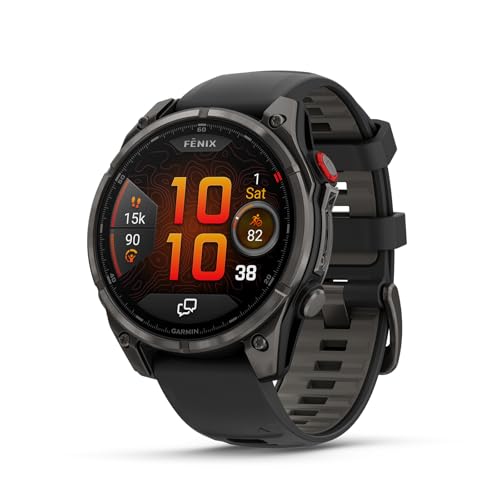
As an Amazon Associate we earn from qualifying purchases at no extra cost to you. Ratings are shown as listed on Amazon.
Compare the leading choices
| Watch | Phone compatibility | Case size and weight | Typical battery claim | Best fit |
|---|---|---|---|---|
| Apple Watch Series 11 | iPhone | 42 mm: about 30 g; 46 mm: about 37 g, aluminum case | Up to 24 hours | iPhone owners who want apps, notifications, and everyday health tools |
| Samsung Galaxy Watch8 | Android; some functions work best with Samsung phones | 40 mm: about 31 g; 44 mm: about 34 g, aluminum case | Up to about 30 hours with always-on display | Android users who want a polished smartwatch with fitness features |
| Google Pixel Watch 4 | Android | 41 mm: about 31 g; 45 mm: about 37 g, aluminum case | Up to 30 hours (41 mm); up to 40 hours (45 mm) | Android users who value Google services and a compact, rounded design |
| Garmin Venu 3 | iPhone and Android; some smart features vary by phone | 45 mm: about 47 g; 41 mm Venu 3S: about 40 g, fiber-reinforced polymer case | Up to 14 days (Venu 3); up to 10 days (Venu 3S) | Frequent exercisers who want detailed training tools and fewer charges |
| Garmin Forerunner 265 | iPhone and Android | 46 mm: about 47 g; 42 mm 265S: about 39 g, fiber-reinforced polymer case | Up to 13 days (265); up to 15 days (265S) | Runners who prioritize training data, GPS, and battery endurance |
Figures are manufacturer-stated approximate maximums, not guaranteed day-to-day results. Always-on displays, GPS, calls, music, and frequent notifications can shorten runtime; check the exact size and regional specification before purchase.
Choose by the way you’ll use it
- For an iPhone-first daily companion: Choose Apple Watch Series 11. It integrates closely with iPhone apps and notifications and offers a broad set of health and workout features. Its trade-off is charging: expect a daily routine rather than multi-day endurance, especially if you sleep with it on.
- For a Samsung phone and an all-round Android watch: Samsung Galaxy Watch8 is a natural match. It covers common workouts and health tracking while supporting Google’s Wear OS app ecosystem. Some Samsung health features depend on a compatible Samsung phone, so check feature availability before treating a sensor as a deciding factor.
- For Google services and Android: Google Pixel Watch 4 puts Google apps and services at the center of the experience. The larger version’s longer stated runtime is useful if you want a bigger display and more time between charges; the smaller case may suit narrower wrists.
- For regular training and fewer charging interruptions: Garmin Venu 3 balances everyday smartwatch features with longer battery life and broad activity tracking. Runners who want more training-oriented metrics and GPS tools should compare the Forerunner 265, which is less focused on a general-purpose app experience.
- For a tight budget or occasional use: Look at an older-generation model from one of these established lines only if it is still supported, fits your phone, and costs meaningfully less. A discounted watch is poor value if its battery is degraded or its software support is nearing its end.
What health sensors and workout tracking can—and can’t—tell you
Across these watches, common tools include optical heart-rate sensors, motion sensors for movement and sleep estimates, and GPS for outdoor distance and pace. Depending on the model and region, some also offer ECG, blood-oxygen estimates, skin-temperature sensing, or alerts related to irregular heart rhythms. Availability, setup requirements, and intended use differ, so check the manufacturer’s local feature list rather than assuming every sensor works everywhere.
For exercise, ask whether the watch records the activities you do, whether it has built-in GPS or relies on your phone, and whether its displays are easy to read while moving. A runner may care about GPS consistency and training summaries; someone taking walks and fitness classes may get more value from comfortable wear, simple workout controls, and clear weekly activity trends.
Wearable readings are estimates for general wellness and fitness, not a diagnosis or a replacement for clinical equipment. If a reading concerns you, or you have questions about a health condition, discuss it with a qualified health professional rather than relying on a watch alone.
Battery life is a routine, not just a specification
Think about when you want to wear the watch. An Apple or Samsung watch that needs frequent charging can still work well if you charge while showering or getting ready. But if you want overnight sleep tracking, that charging window may disappear. A Garmin’s longer stated runtime makes continuous wear easier, though its app selection and phone features are different from those of a full smartwatch.
As a simple planning example, a watch rated for 24 hours needs roughly seven charging sessions a week if used continuously; one rated for 10 days needs about one. Real use can raise either figure. GPS workouts, always-on display settings, cellular use, and battery age all affect the interval. Leave some margin rather than planning around the maximum claim.
Fit, comfort, and ownership details
Case diameter alone doesn’t determine comfort: case thickness, weight, band material, and wrist shape matter too. If possible, compare both available sizes in person, especially if you plan to sleep in the watch. A snug fit helps optical sensors maintain contact during activity, but a strap that is too tight can irritate skin. For workouts, wash sweat and sunscreen from the band and watch, then dry them before putting the watch back on. Follow the manufacturer’s water-resistance guidance; resistance can diminish with wear, and it does not mean every watch is suitable for every water activity.
Bands are the part most likely to need replacement first, particularly with frequent sweating. Inspect the strap and clasp for cracking, stretching, or a loose fit, and use compatible replacement bands. Scratches, worn coatings, and reduced battery capacity are other normal ownership concerns. Avoid extreme heat, use the supplied or approved charger, and check trade-in or repair options before buying an older model.
A short decision checklist
- Phone: Rule out watches that don’t support your phone or the specific features you want.
- Priority: Pick app convenience, health and wellness features, running data, or long battery life—not a sensor list you may never use.
- Charging: Decide whether daily charging fits your routine, especially if you want overnight tracking.
- Fit: Compare the smaller and larger case options, band materials, and comfort during movement.
- Budget: Smartwatch prices span general market ranges from under $200 for some older or entry-level models to $400 or more for premium versions. Compare current local pricing, support lifespan, and replacement-band costs.
In short, match the watch to your phone first, then choose based on charging tolerance and the activities you track most. For a daily iPhone companion, start with Apple Watch; for Android, compare Samsung Galaxy Watch8 with Google Pixel Watch 4; for longer endurance and training emphasis, look at Garmin Venu 3 or Forerunner 265.