Our Top Picks

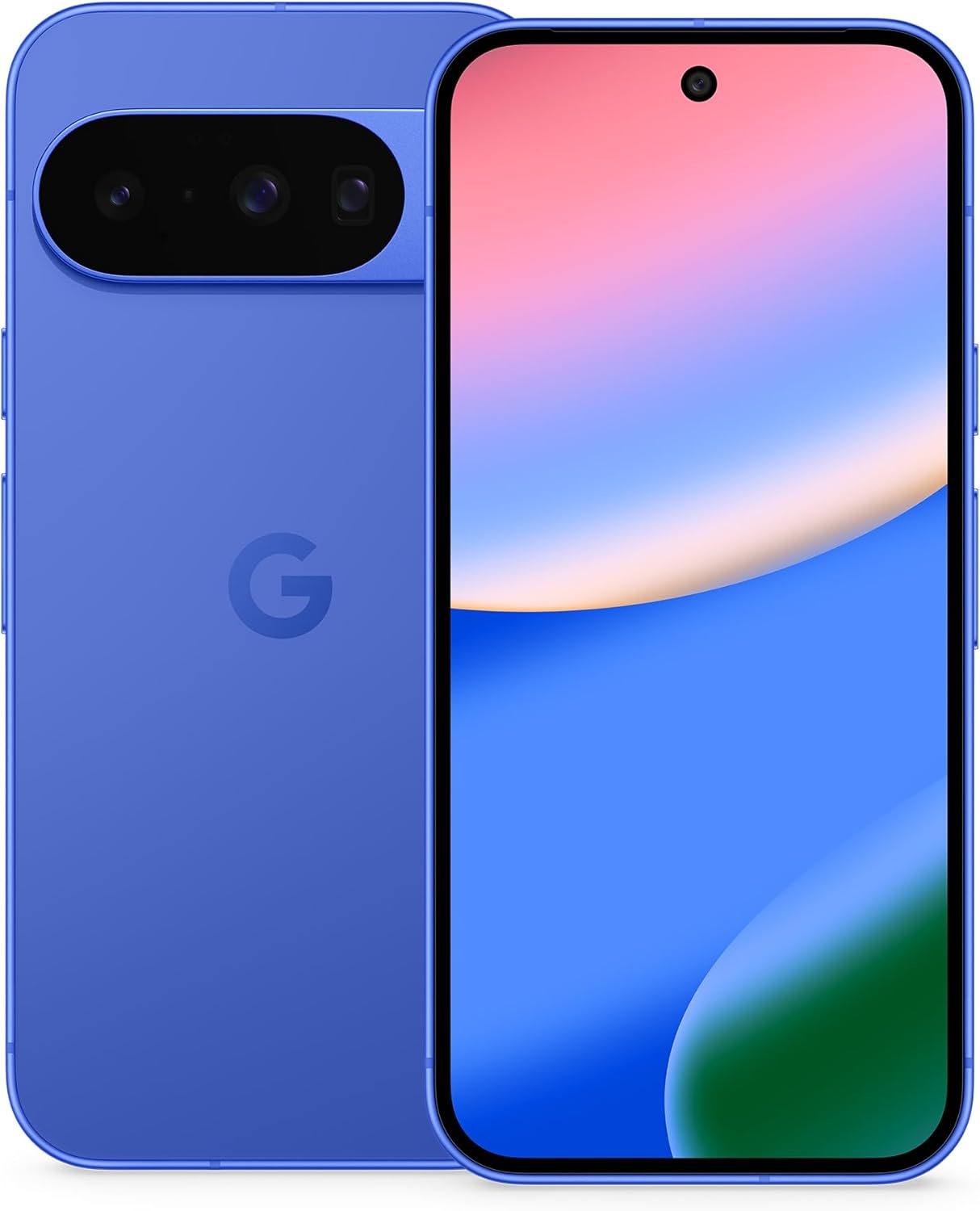

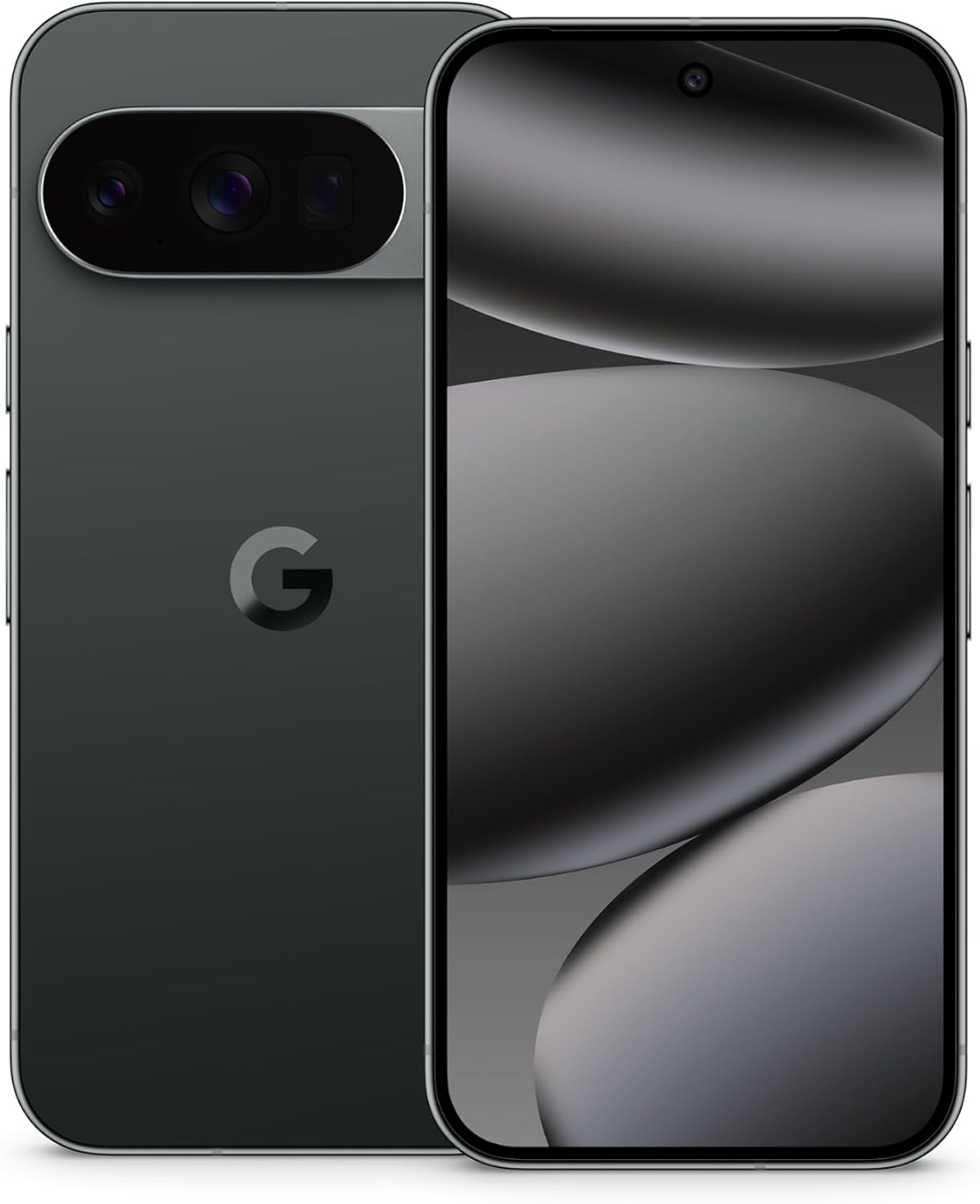


The best small smartphones in 2026 are the Samsung Galaxy S26 for the lightest flagship, the iPhone 17 for the best compact iPhone, the Google Pixel 10 for compact Android with strong camera software and zoom, and the iPhone 17e for the smallest mainstream screen at a lower tier. For people who want a truly pocketable phone, the Samsung Galaxy Z Flip7 is the compact option when folded. One honest caveat applies to the whole category: no current phone is a true successor to the 5.4-inch iPhone 13 mini, so “small” in 2026 mostly means a 6.1 to 6.3-inch screen in a narrow body.
Small phones are a trade. You gain one-handed reach, lighter pockets and easier carry, and you give up battery capacity, the largest camera sensors and, often, the biggest zoom lenses. This guide lists nine real current phones, groups them by what buyers actually compare, and gives you measurements and thresholds so you can decide before you reach a store.
How we chose
This is a research-based guide built from manufacturer specification pages and current 2026 compact-phone roundups from several consumer-technology publications. It is not a lab comparison. We included phones sold new in 2026 or still widely available, and ranked them by physical size first, then by battery, camera and update support. Where a figure could not be confirmed, we describe the spec class instead of stating a number.
The criteria used, with thresholds:
- Screen size: 6.3 inches or smaller counts as compact in 2026. Anything at or under 6.1 inches is the smallest conventional screen you can buy from a major brand.
- Body width: 72 mm or less is a practical limit for comfortable one-handed use for most adults. Width matters more than height.
- Weight: under about 180 g feels light in a pocket; above about 200 g starts to feel like a larger phone.
- Battery: small bodies mean smaller batteries, so efficiency and charging matter. Anything near 4,000 mAh or above, or an iPhone with a full-day rating, is acceptable.
- Update support: small phones tend to be kept longer, so five or more years of updates matter.
Quick comparison
| Phone | Screen | Dimensions (mm) | Weight | Standout | Tier |
|---|---|---|---|---|---|
| Samsung Galaxy S26 | 6.3-inch AMOLED, 1-120Hz | 149.6 x 71.7 x 7.2 | 167 g | Lightest flagship, telephoto | Premium |
| iPhone 17 | 6.3-inch, ProMotion | 149.6 x 71.5 x 7.95 | 177 g | Smooth display on the base model | Premium |
| Google Pixel 10 | 6.3-inch OLED, 60-120Hz | about 152 x 71 x 8 | about 204 g | Camera software, telephoto lens | Premium |
| Samsung Galaxy S25 | 6.2-inch AMOLED | 146.9 x 70.5 x 7.2 | 162 g | Smallest body of the Android flagships | Mid-range to premium |
| iPhone 16 | 6.1-inch OLED | 147.6 x 71.6 x 7.8 | 170 g | Compact, strong resale value | Mid-range to premium |
| iPhone 17e | 6.1-inch OLED | Check Apple spec page | Check Apple spec page | Smallest conventional screen in many 2026 guides | Mid-range |
| iPhone 16e | 6.1-inch OLED | Compact, 6.1-inch class | Under 180 g class | Lower-cost iPhone, one rear camera | Mid-range |
| Google Pixel 10a | Mid-size OLED | about 155 x 74 x 10 | Light for its size | Value Android, long updates | Mid-range |
| Samsung Galaxy Z Flip7 | Large inner screen, small cover display | Pocket-size when folded | Light for a foldable | Smallest folded footprint | Premium |
Figures for the Galaxy S26, iPhone 17 and Pixel 10 come from 2026 compact-phone roundups and manufacturer listings. Dimensions for the Galaxy S25 and iPhone 16 are from their published specifications. Anything marked “check” should be confirmed on the maker’s page before you buy.
The nine picks
1. Samsung Galaxy S26: best small Android overall
Spec line: 6.3-inch AMOLED, 1-120Hz · 149.6 x 71.7 x 7.2 mm · 167 g · about 4,300 mAh battery · telephoto camera · up to seven years of updates.
Best for: Someone who wants the lightest high-end phone and a real telephoto lens in a compact body.
Skip if: Battery life is your top priority, or you want a lower price tier.
- Pros: Lightest in the premium compact group, bright screen, and long software support.
- Cons: High price and a modest battery for heavy users.
As an Amazon Associate we earn from qualifying purchases at no extra cost to you.

2. iPhone 17: best small iPhone
Spec line: 6.3-inch display with ProMotion · 149.6 x 71.5 x 7.95 mm · 177 g · dual rear cameras · long iOS support track record.
Best for: iPhone users who want a smooth display and a narrow body without moving to a Pro model.
Skip if: You want the lightest phone possible or a telephoto lens, since the base model does not include one.
- Pros: Smooth refresh rate on the base model, strong video, and solid resale value.
- Cons: Heavier than the Galaxy S26 and costs a premium tier price.
3. Google Pixel 10: best compact phone for camera software
Spec line: 6.3-inch OLED, 60-120Hz · about 152 x 71 x 8 mm · about 7.2 oz · telephoto camera with up to 5x zoom class · seven years of updates.
Best for: People who want easy point-and-shoot results, photo-editing tools, and a clean Android interface.
Skip if: Weight matters, because it is noticeably heavier than the Galaxy S26.
- Pros: Strong camera processing, a zoom lens, and a long update policy.
- Cons: Heavier than its size suggests, and the display refresh range starts at 60Hz rather than 1Hz.

4. Samsung Galaxy S25: best value among small Android flagships
Spec line: 6.2-inch AMOLED · 146.9 x 70.5 x 7.2 mm · 162 g · telephoto camera · seven years of updates.
Best for: A buyer who wants the narrowest Android flagship and can accept last year’s model to lower the cost.
Skip if: You need the newest chip, or if stock is limited in your region.
- Pros: The narrowest and lightest body in this list among full flagships, and often discounted after a successor launches.
- Cons: Older processor generation, and availability can shrink over 2026.

5. iPhone 16: best compact iPhone for the money
Spec line: 6.1-inch OLED · 147.6 x 71.6 x 7.8 mm · 170 g · dual rear cameras · Action button.
Best for: iPhone buyers who prefer a smaller screen than the iPhone 17 and want a lower price.
Skip if: You want a high refresh rate display, which the standard 16 does not have.
- Pros: Lighter than the iPhone 17, strong build quality, and good resale value.
- Cons: A 60Hz display, and no telephoto lens.
6. iPhone 17e: best smallest-screen mainstream phone
Spec line: 6.1-inch OLED · compact iPhone body · lower-cost line · modern Apple chip class · iOS support runway of several years.
Best for: Someone who wants the smallest conventional screen from a major brand without paying premium-tier prices.
Skip if: You want multiple rear cameras. Confirm the exact camera setup and dimensions on Apple’s specification page.
- Pros: Compact, newer than the 16e, and fully supported by iOS accessories.
- Cons: Fewer camera lenses than the standard iPhone.
7. iPhone 16e: best cheaper iPhone in a compact body
Spec line: 6.1-inch OLED · single rear camera · compact body · Apple chip with a full day of typical use.
Best for: A budget-conscious iPhone buyer who mainly needs calls, messaging, maps and everyday photos.
Skip if: You shoot a lot of photos in difficult light or want a wide-angle lens.
- Pros: Lower tier than the main line, compact, and good battery life for its size.
- Cons: Single camera and fewer features than the standard iPhone.
8. Google Pixel 10a: best value Android, with a caveat on size
Spec line: Mid-size OLED · about 155 x 74 x 10 mm · light for its size · long update commitment · Pixel camera software.
Best for: A buyer who wants a mid-range Android with strong camera software and does not need the narrowest body.
Skip if: One-handed use is your main goal. At about 74 mm wide it is not narrower than the iPhone 17e or Galaxy S26.
- Pros: Mid-range tier, strong software, and long support.
- Cons: Wider and thicker than the other compact picks.

9. Samsung Galaxy Z Flip7: best for the smallest pocket footprint
Spec line: Large inner flexible display · small cover display · compact when folded · premium tier · foldable hinge.
Best for: Someone who wants a large screen only when needed and a very small phone in the pocket.
Skip if: You prefer a simple, durable phone without a crease or hinge, or you want a lower price tier.
- Pros: Smallest pocket footprint when folded, large screen when open.
- Cons: Premium price, a visible crease, and more complexity than a standard slab phone.

Worked example: which phone actually fits your hand and pocket?
Spec sheets list screen size, but footprint and weight tell you more about comfort. Use this simple method.
- Multiply height by width to get the footprint in square millimeters.
- Compare against a phone you already own to see if the new one is bigger or smaller in practice.
- Check width against the 72 mm guideline for one-handed use.
- Check weight against your threshold (under about 180 g feels light).
Applying it to the published figures:
| Phone | Footprint (mm squared) | Width under 72 mm? | Weight |
|---|---|---|---|
| Galaxy S25 | 146.9 x 70.5 = about 10,356 | Yes | 162 g |
| iPhone 16 | 147.6 x 71.6 = about 10,568 | Yes | 170 g |
| iPhone 17 | 149.6 x 71.5 = about 10,696 | Yes | 177 g |
| Galaxy S26 | 149.6 x 71.7 = about 10,726 | Yes | 167 g |
| Pixel 10 | 152 x 71 = about 10,792 | Yes | about 204 g |
| Pixel 10a | 155 x 74 = about 11,470 | No | Light for its size |
The result: the Galaxy S25 has the smallest footprint, about 3 percent smaller than the iPhone 17, but the difference between most compact flagships is only a few percent. The Pixel 10 is the heaviest by a large margin, and the Pixel 10a is the only phone in the group above the 72 mm width guideline. If you are choosing between the Galaxy S26 and iPhone 17, they are almost identical in footprint, so weight (167 g versus 177 g), camera and ecosystem should decide.
What you give up with a small phone
- Battery capacity: compact bodies fit smaller batteries. The Galaxy S26 has roughly 4,300 mAh, below many larger Android phones. Heavy users may need a midday top-up.
- Camera hardware: the largest sensors and the longest zoom lenses are reserved for bigger models. Compact phones rely more on software.
- Screen space: reading long articles, editing documents and watching video are less comfortable on a 6.1-inch screen.
- Heat management: small bodies shed heat less easily, which can reduce performance during long gaming sessions or video recording in warm weather.
How to choose a small phone: numbers that decide it
Small is a feel, but you can measure it. Use these limits before you spend.
- Width: 72 mm or less for comfortable one-handed use. A case adds about 3 mm, so a 71.5 mm phone becomes a 74 mm phone in a thick cover.
- Weight: under about 180 g feels light in a pocket. Above about 200 g, the phone feels like a large one even if the screen is compact.
- Screen: 6.1 to 6.3 inches is the compact range in 2026. Below 6.1 inches there is no current mainstream choice.
- Battery: about 4,000 mAh or more for a full day of mixed use. If a phone sits near the 3,500 mAh class, plan to charge midday or carry a small power bank.
- Updates: five or more years, because small phones are kept longer than big ones.
- Reach: hold the phone in your usual hand and see whether your thumb touches the opposite top corner without shifting your grip. If it does not, move to a narrower body or a folded form factor.
- Foldables: only choose one if pocket size beats battery life and long-term durability for you.
If two phones pass every limit, take the lighter one. Weight is the spec that people notice every day.
Buying tips for small phones
- Handle it first if you can. Width and rounded edges change how a phone feels more than the spec sheet suggests.
- Pick a case with a thin profile. A thick case adds several millimeters of width and removes the main advantage of a small phone.
- Prioritize update length. Compact phones are often kept for four to six years, so choose models with long support.
- Check charging. Look for fast wired charging and wireless charging if you use a car mount or desk charger.
- Consider a foldable honestly. A flip phone is small in the pocket but adds a hinge and a crease. If you drop phones often, a slab phone is simpler.
Five more compact phones worth considering
These additions cover a Pro-level Pixel, last year’s Pixel, two clamshell foldables and a narrow Sony. Sizes are given as classes where a figure could not be confirmed, so check the maker’s page for exact dimensions.
10. Google Pixel 10 Pro: compact Pro camera set on Android
Spec line: 6.3-inch OLED display · about 207 g · triple rear camera with telephoto · seven years of updates · Pixel camera software · premium tier.
Best for: A buyer who wants the same compact screen size as the Pixel 10 but with the full Pro camera set and zoom range.
Skip if: Weight matters most, because it is roughly 40 g heavier than the Galaxy S26.
Pros: Compact 6.3-inch body, strong zoom for its size, clean Android, and long update support.
Cons: Heavy for a small phone, premium price tier, and a modest advantage over the base Pixel 10 for casual users.

11. Google Pixel 9: last-generation compact Pixel at a lower tier
Spec line: 6.3-inch OLED display · just under 200 g class · dual rear cameras · 24-hour battery rating listed · seven years of updates · Gemini features · mid-range to premium tier.
Best for: A shopper who wants Pixel software and camera processing in a 6.3-inch body, and will accept last year’s chip to lower the cost.
Skip if: You need a telephoto lens, since the base Pixel 9 relies on a crop for zoom, or you want the newest processor.
Pros: Compact body, helpful photo tools, and a long update promise.
Cons: Older chip generation, no dedicated telephoto, and stock tends to thin out as newer models arrive.

12. Motorola Razr 2025: clamshell flip at a friendlier tier
Spec line: Clamshell foldable · larger inner display with a small cover screen · 50 MP main camera · 8 GB RAM · 256 GB storage · mid-range tier.
Best for: People who want a phone that folds to a pocket-size square and are happy to answer messages from the cover screen.
Skip if: Battery endurance and long-term durability top your list, since foldables carry a crease and tighter dust protection than slab phones.
Pros: Smallest folded footprint in the list, a lower tier than the Galaxy Z Flip7, and a fun, pocket-friendly shape.
Cons: Battery class is smaller than slab phones, the crease is visible, and repairs cost more.

13. Samsung Galaxy Z Flip7 FE: lower-tier Samsung flip
Spec line: Clamshell foldable · cover display · Galaxy AI features · 256 GB storage · mid-range to premium tier.
Best for: A Samsung owner who wants the folding pocket shape without paying the standard Flip7 tier.
Skip if: You want the best camera or processor from a foldable, because the FE trims some of the flagship hardware.
Pros: Small when folded, familiar One UI software, and long Samsung update support.
Cons: Fewer flagship features than the Flip7, a visible crease, and a battery class smaller than slab phones.

14. Sony Xperia 10 VIII: narrow 6.1-inch Android with a 120 Hz screen
Spec line: 6.1-inch 120 Hz OLED · 8 GB RAM · 128 GB storage · 50 MP camera · dual SIM with eSIM · factory-unlocked GSM version · mid-range tier.
Best for: A buyer who wants a narrow, tall 6.1-inch Android and does not mind an import-style listing.
Skip if: You need full US carrier support or a US warranty, since the listing is a factory-unlocked GSM version, so check band support first.
Pros: Compact screen class, a high-refresh display and eSIM support at a mid-range tier.
Cons: Mid-range chip, limited local warranty, and camera quality below the flagship picks.

All 14 phones side by side
| Phone | Screen | Size or weight | Standout | Tier |
|---|---|---|---|---|
| Samsung Galaxy S26 | 6.3-inch AMOLED | 167 g | Lightest flagship, telephoto | Premium |
| iPhone 17 | 6.3-inch ProMotion | 177 g | Smooth display on the base model | Premium |
| Google Pixel 10 | 6.3-inch OLED | About 204 g | Camera software, telephoto | Premium |
| Google Pixel 10 Pro | 6.3-inch OLED | About 207 g | Compact Pro camera set | Premium |
| Google Pixel 9 | 6.3-inch OLED | Just under 200 g | Lower-tier Pixel, long updates | Mid-range to premium |
| Samsung Galaxy S25 | 6.2-inch AMOLED | 162 g | Narrowest Android flagship | Mid-range to premium |
| iPhone 16 | 6.1-inch OLED | 170 g | Compact, strong resale value | Mid-range to premium |
| iPhone 17e | 6.1-inch OLED | Check Apple spec page | Smallest mainstream screen | Mid-range |
| iPhone 16e | 6.1-inch OLED | Under 180 g class | Cheaper iPhone, one rear camera | Mid-range |
| Sony Xperia 10 VIII | 6.1-inch 120 Hz OLED | Check Sony spec page | Narrow body, eSIM | Mid-range |
| Google Pixel 10a | Mid-size OLED | About 155 x 74 x 10 mm | Value Android, long updates | Mid-range |
| Samsung Galaxy Z Flip7 | Large inner screen | Pocket-size when folded | Smallest folded footprint | Premium |
| Samsung Galaxy Z Flip7 FE | Large inner screen | Pocket-size when folded | Lower-tier Samsung flip | Mid-range to premium |
| Motorola Razr 2025 | Large inner screen | Pocket-size when folded | Cover screen replies | Mid-range |
Frequently asked questions
What is the smallest smartphone you can buy in 2026?
Among conventional phones, the 6.1-inch iPhone 17e and iPhone 16 class are the smallest from major brands. For a smaller pocket footprint, the Samsung Galaxy Z Flip7 folds compactly.
No current mainstream phone matches the 5.4-inch size of the old iPhone 13 mini, so expect to choose a 6.1 to 6.3-inch model.
Which small phone has the best camera?
The Google Pixel 10 and Samsung Galaxy S26 are the strongest compact camera phones because both include a telephoto lens. The iPhone 17 is strongest for video.
The iPhone 17e and iPhone 16e are good for everyday photos but have fewer lenses, so they are weaker for zoom.
Is the Galaxy S26 smaller than the iPhone 17?
They are nearly the same size. The Galaxy S26 measures 149.6 x 71.7 mm and the iPhone 17 measures 149.6 x 71.5 mm, but the Galaxy S26 weighs less at 167 g versus 177 g.
The Galaxy S26 is also thinner, at 7.2 mm versus 7.95 mm, which makes it feel slimmer in the pocket.
Do small phones have worse battery life?
Generally yes, because the body holds a smaller battery. The Galaxy S26 has about 4,300 mAh, which is modest next to larger phones.
Efficient chips and software help, but heavy users should carry a charger or choose a phone with a reputation for efficiency, such as the iPhone 16e.
Is a flip phone a good small phone?
It can be, if you want the smallest folded size. The Galaxy Z Flip7 is pocketable when closed and offers a large screen when opened.
The drawbacks are a visible crease, a hinge that adds complexity, and a premium price tier. A standard compact phone is simpler and sturdier.
How wide should a phone be for one-handed use?
Aim for 72 mm or less. Most compact flagships in this guide sit between 70.5 and 71.7 mm wide, which suits typical adult hands.
Hand size varies, so if possible, hold the phone before buying. A thin case keeps the width close to the listed figure.
Are compact phones less durable?
Not inherently. Durability depends on frame material, glass and water-resistance ratings, which are similar across the premium models in this guide.
Very thin bodies can be slightly easier to flex, so a protective case is a good idea, as long as it is not so bulky that it removes the size benefit.
Should I buy last year’s small phone to save money?
Often yes. The Galaxy S25 and iPhone 16 remain strong compact phones and are usually discounted after the newer models launch.
Check that the phone still receives long update support and that the battery is new or has good health if buying refurbished or open-box.
More from Amazon
Programs that pair well with the guide above. Offers and eligibility are set by Amazon and may change.
Free shipping on eligible items, Prime Video and more. Eligible new members can start with a free trial.
Start a Prime free trialAudiobooks and podcasts to listen to on the go. Eligible new members can start with a free trial.
Try Audible freeAd-free music streaming. Eligible new subscribers can start with a free trial.
Try Music Unlimited freeA free business account with business pricing and bulk-buying tools for work, shop or home office.
Create a business accountAs an Amazon Associate we earn from qualifying purchases.